Guide · 10 min read
Home renovation Dubai: villa vs apartment scope, approvals and programme
A villa renovation and an apartment renovation in Dubai are not the same job. This guide explains how scope, approvals, access and programme differ, and what the written contract must settle.
By the Beavcon engineering team Published Updated Reviewed by the Operations & Projects Delivery, HSE and quality on occupied sites

Home renovation Dubai means two quite different jobs depending on whether the home is a villa or an apartment. A villa gives the owner more control over structure, access and sequencing, while an apartment brings building rules, shared services, working-hour restrictions and landlord or owner-association approvals into the critical path. Beavcon renovates both villas and apartments, and the written scope, approvals and programme have to be settled differently for each.
What is the difference between renovating a villa and an apartment in Dubai?
The practical difference starts with what the owner actually controls. In a villa, the owner usually controls the plot and the internal layout, subject to community rules on external changes and working hours. In an apartment, the owner controls the internal unit only; the structure, risers, façade, corridors, goods lift and building services belong to the building, and every intervention that touches them needs permission.
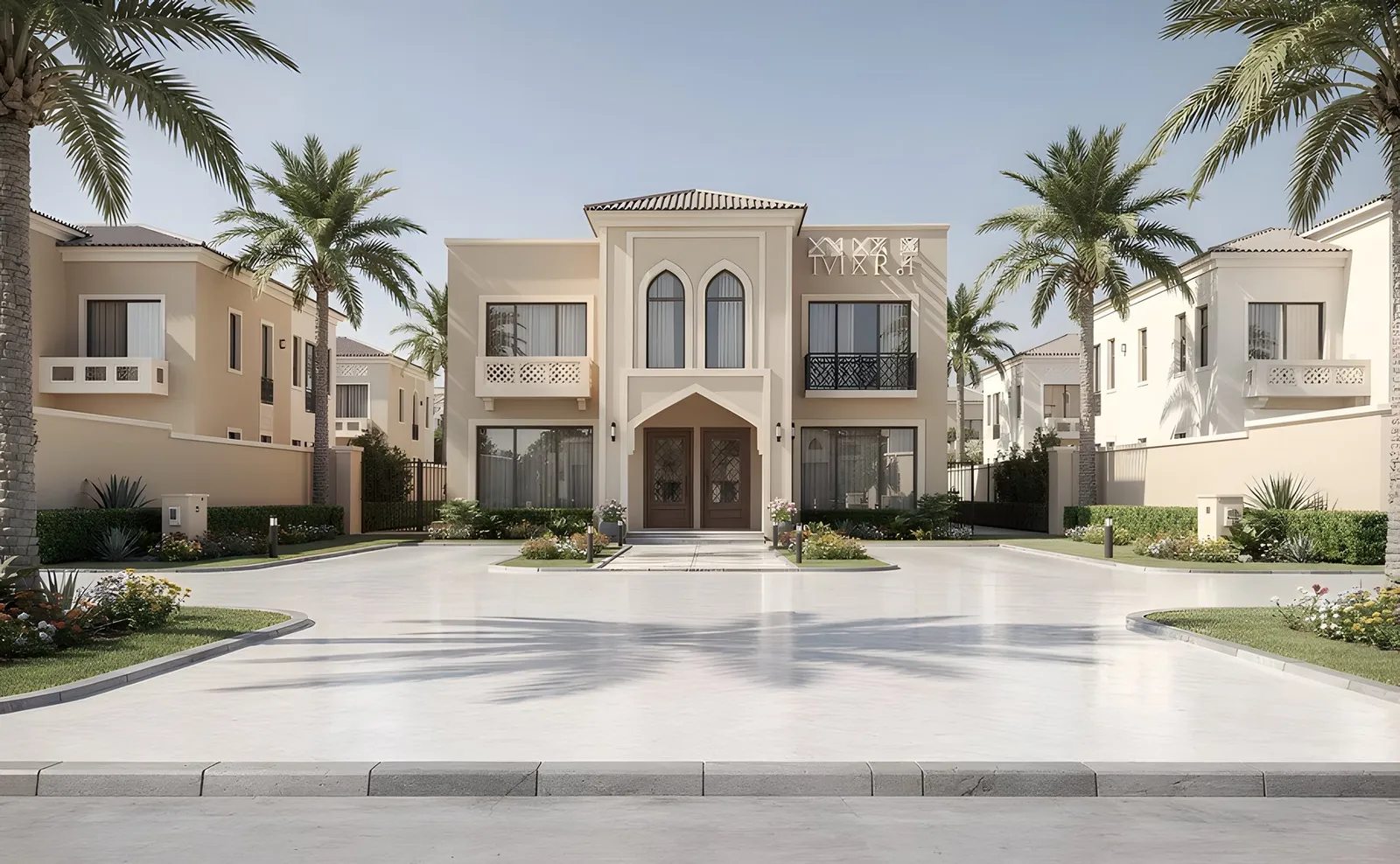
A villa renovation can include structural alterations, extensions, roof works, MEP renewal, landscaping and full finishing under one programme. An apartment renovation is typically limited to internal partitions, finishes, kitchen and bathroom renewal, electrical and HVAC modifications within the unit, and joinery. Anything that changes the external appearance, the structural frame, the slab, the riser connections or the fire strategy is a building-level matter.
That changes the contract. A villa renovation is closer to a small building project: the contractor may need to coordinate civil, MEP, waterproofing, aluminium and finishing trades on a private plot. An apartment renovation is closer to a fit-out: the contractor must work inside a defined unit, protect common areas, book the goods lift, and sequence noisy works around building rules. The villa renovation service page sets out what a full villa package includes; for an apartment, the scope is usually narrower but the coordination burden is not lighter.
What approvals does a home renovation in Dubai need?
Approvals differ more than the physical work does. For a villa, the owner often works through the community management or master developer for a renovation NOC, then through Dubai Municipality or the relevant authority for any structural, extension or external works. Requirements vary by community, plot type and the extent of the change, so confirm the specific list with the community management and the consultant before pricing the job.
For an apartment, the building management or owners association normally has to approve the works. If the unit is rented, the landlord’s written consent is typically needed with or before that application. The order varies by building, so ask the building management for its checklist. The building’s fit-out guide will normally set out permitted working hours, goods-lift bookings, waste routes, insurance requirements and which works need a method statement. Some buildings also require a refundable deposit and a signed undertaking on common-area protection.
Where the work touches MEP services, fire protection or the external envelope, the approvals chain may include DEWA, Dubai Civil Defence, the district cooling provider or the master developer, depending on the building and the works. The written scope should record who applies for each approval, who signs the inspection request and who holds the completion documents. The article villa renovation in Dubai: scope, permits and what owners forget covers the villa approval chain in more detail.
Can I live in my home during a renovation?
It depends on the type of home and the extent of the work. In a villa, partial occupation is often workable if the contractor phases the works: one floor or wing at a time, with temporary protection, dust barriers and a clear services shutdown plan. Full MEP renewal, structural alterations or roof works usually make occupation impractical for part of the programme. Confirm which circuits, water points and drainage lines stay live, and whether a pool or irrigation system must keep running.
In an apartment, living on site during a renovation is harder. The unit is smaller, services may be isolated for longer periods, and the building’s working-hour rules can stretch the programme. Many owners move out for the main works and return for snagging and handover. If occupation is required, the contractor should confirm in writing which areas stay live, which services remain available each day, and how dust, noise and waste are controlled.
The decision should be made before the programme is fixed, not after. A contractor who knows the home will remain occupied can plan protection, sequencing and shutdowns differently from one who assumes a vacant unit.
What the written scope must settle for a villa
A villa scope should settle more than the finishes. The following checklist is what an owner should confirm before signing:
- Which areas are in scope: built-up area, roof, external walls, boundary walls, landscaping, pool or majlis.
- Which structural changes are proposed and who prepares the structural design and authority submissions.
- Which MEP systems are being renewed, extended or left in service, and where the isolation points are.
- Which waterproofing areas are included, with the test and warranty requirements.
- Which approvals the owner obtains and which the contractor obtains, with named authorities.
- What the access and working-hour constraints are, including community rules and neighbour notifications.
- What the handover file must contain: inspection records, test certificates, warranties and as-built drawings.
- How variations and provisional sums are priced and approved before work proceeds.
A villa renovation under one contract is covered in villa renovation in Dubai under one multi-trade contract.
What the written scope must settle for an apartment
An apartment scope is shorter but the administrative part is heavier. The checklist below is the part owners most often leave until it causes a delay:
- The unit boundary: where the owner’s responsibility ends and the building’s begins.
- The building fit-out guide: working hours, lift bookings, waste routes, deposit and insurance requirements.
- Which services can be isolated and for how long, including water, power and air-conditioning.
- Which wet areas are waterproofed and tested before tiling, because a leak can reach the unit below.
- Which works need a method statement or a permit to work, such as hot works, riser connections or fire-stopping.
- How materials are delivered and stored, and who protects the common areas.
- What the close-out pack must contain for the building management, including as-built drawings and test records.
- How snagging and handover are run while the building remains occupied.
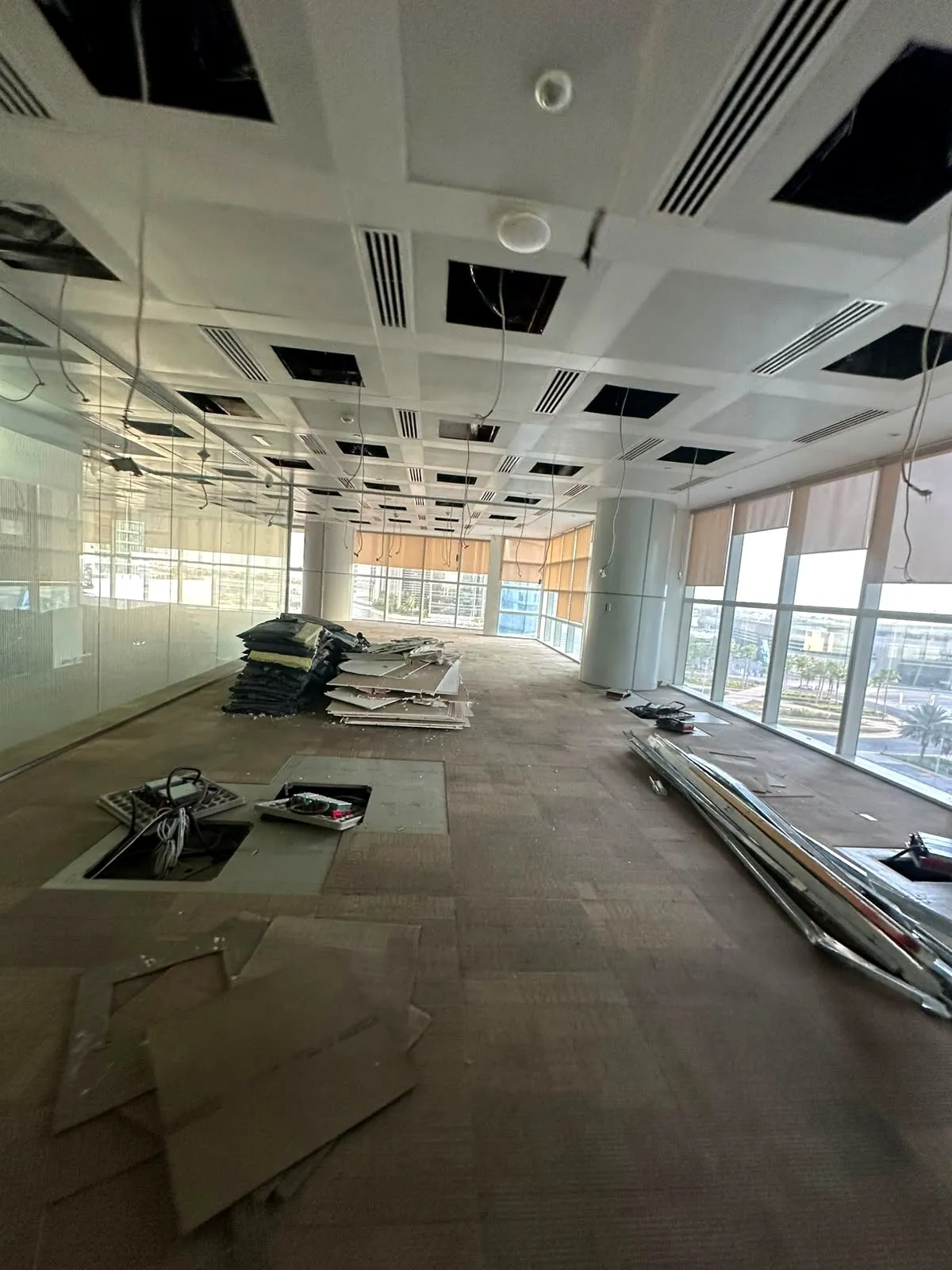
The same discipline applies to commercial units: fit-out in an occupied tower: what actually delays the programme explains the coordination points that decide whether a programme holds.
How the programme differs
A villa renovation programme is often driven by the physical sequence: strip-out, structural works, MEP first fix, waterproofing, plastering, tiling, joinery, painting and finishing. External works, roof works and landscaping can run in parallel if access allows. The main risk is weather and the coordination of trades that are not used to working on a private plot.
An apartment programme is often driven by permissions and access. The contractor can only work during the building’s permitted hours, can only move materials when the goods lift is booked, and may have to stop noisy works during certain periods. A job that would be quicker in a vacant villa can take longer in an occupied apartment building, not because the work is larger but because the windows to do it are shorter.
The programme should therefore be written differently. For a villa, the programme should show the trade sequence and the shutdown dates. For an apartment, it should show the approval milestones, the lift and access bookings, and the dates when each service will be isolated and reinstated.
How to compare contractors for a home renovation
A villa renovation and an apartment renovation need different questions at tender stage. For a villa, ask how the contractor will manage multiple trades on a private plot, who supervises the works daily, and how waterproofing and MEP testing are documented. For an apartment, ask how the contractor has handled occupied buildings before, who manages the building approvals, and what the close-out file will contain.
In both cases, compare the written scope, not just the price; the checks for comparing firms are in renovation companies in Dubai: what to check before you hire one. A lower price that leaves approvals, protection, waste removal or testing as exclusions can cost more during the works. The guide how to prequalify a building contractor in Dubai sets out the checks that apply to both property types.
What to put in the RFQ
The RFQ should make the property type explicit, because the same words mean different things in a villa and an apartment. A checklist for the enquiry:
- Property type: villa or apartment, with the community or building name and the unit or plot reference.
- The full scope: rooms, areas, systems and finishes, with drawings where available.
- The approval status: what is already approved and what the contractor must obtain.
- The occupation status: vacant, partially occupied or fully occupied during the works.
- The access constraints: working hours, lift bookings, parking and waste routes.
- The required handover documents: tests, warranties, as-built drawings and inspection records.
- The budget band, so the contractor can propose a realistic scope rather than an open-ended estimate.
Upload the pack through BuildScope and the contractor can return a qualified proposal rather than a number without a scope.
Why the property type changes the contract
The contract should not be the same document for a villa and an apartment. A villa contract needs clauses for external works, structural alterations, waterproofing hold points and community rules. An apartment contract needs clauses for building approvals, common-area protection, service isolation, working hours and handover to the building management. If the contractor sends the same template for both, ask whether the scope has been read properly.
A single contractor under one contract is usually the cleaner model for both property types, because the owner has one point of responsibility for approvals, trades and handover. The comparison is set out in single contractor vs separate trades for Dubai refurbishment.
How Beavcon handles this
Beavcon delivers Villa Renovation in Dubai and Abu Dhabi: structural alterations, extensions, MEP renewal and full finishing for private villas.
Related delivered work:
- Jumeirah Villa (Dubai, 2024): Full villa renovation for a private owner. Private villa, full renovation scope.
- Private Villa, MBR Housing (Dubai, 2026, ongoing): Renovation and technical services. Government housing programme with registration and documentation requirements.
To start, send us your enquiry: upload the drawings and scope through BuildScope, or request a site visit through our contact page.
General guidance; confirm requirements with the relevant authority or your consultant.