Guide · 6 min read
Fit-out in an occupied tower: what actually delays the programme
Partitions and ceilings are not the hard part. The programme is decided by the building: lifts, hours, fire systems and who signs the inspection request.
By the Beavcon engineering team Published Updated Reviewed by the Operations & Projects Delivery, HSE and quality on occupied sites
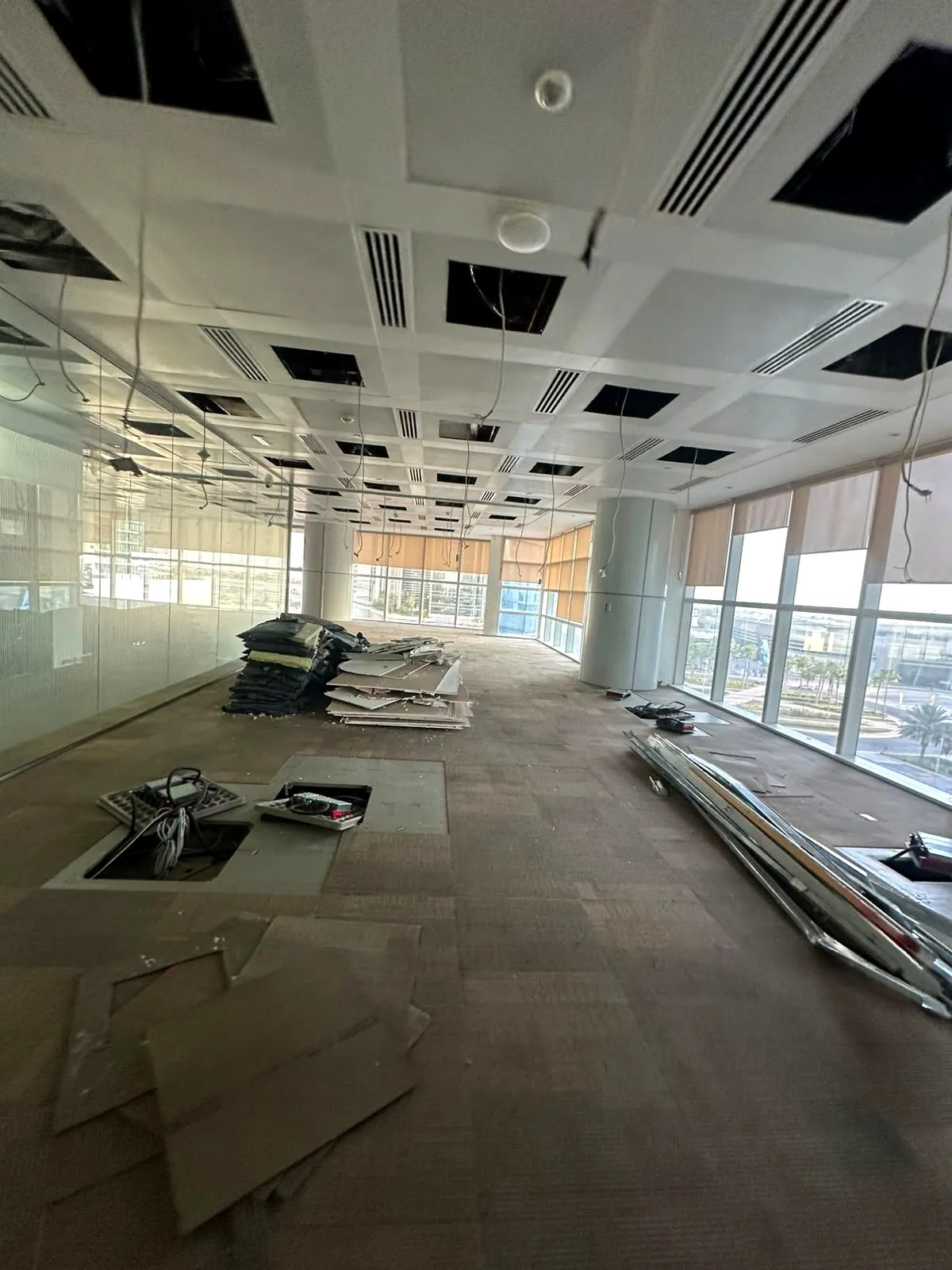
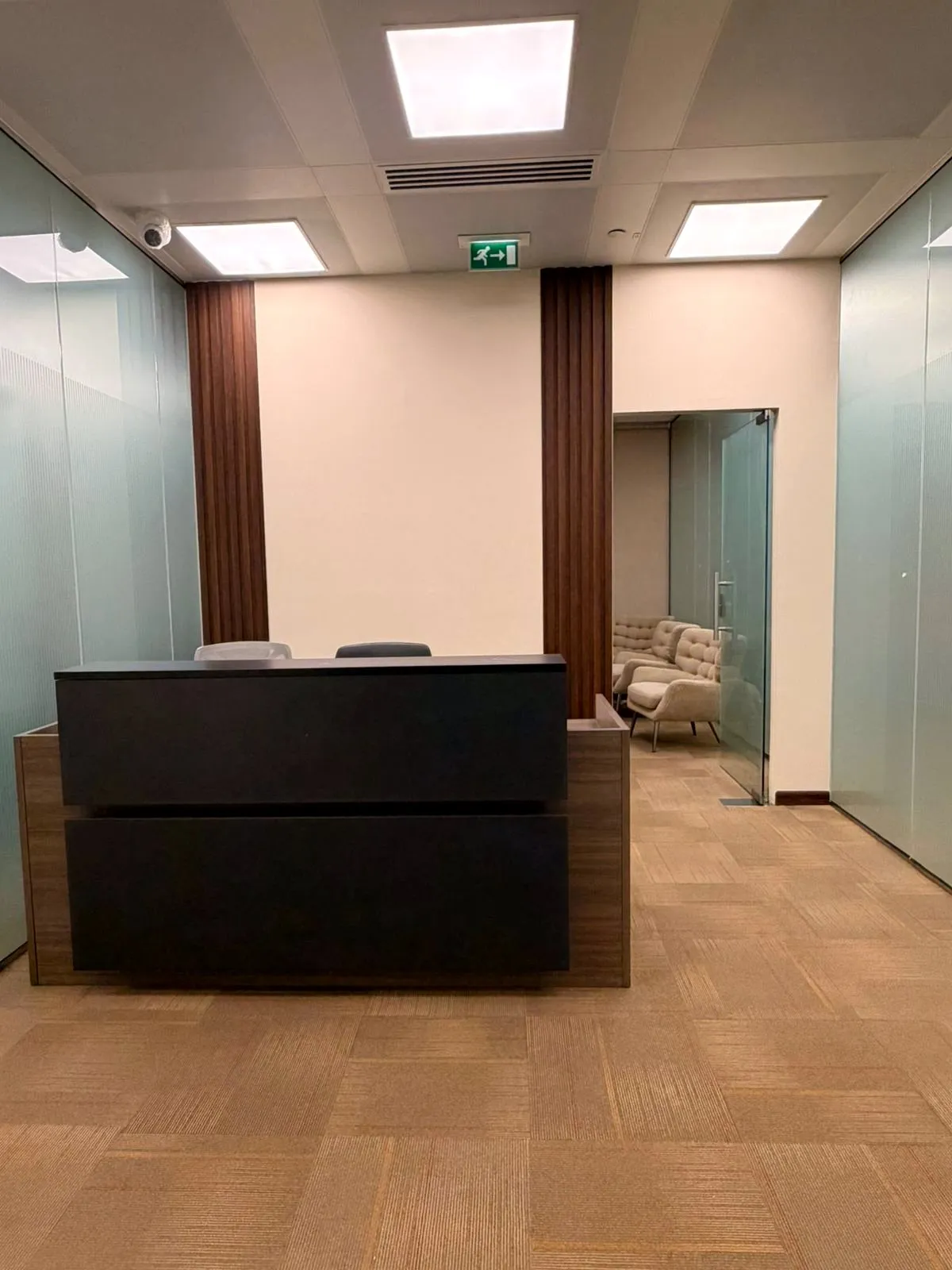
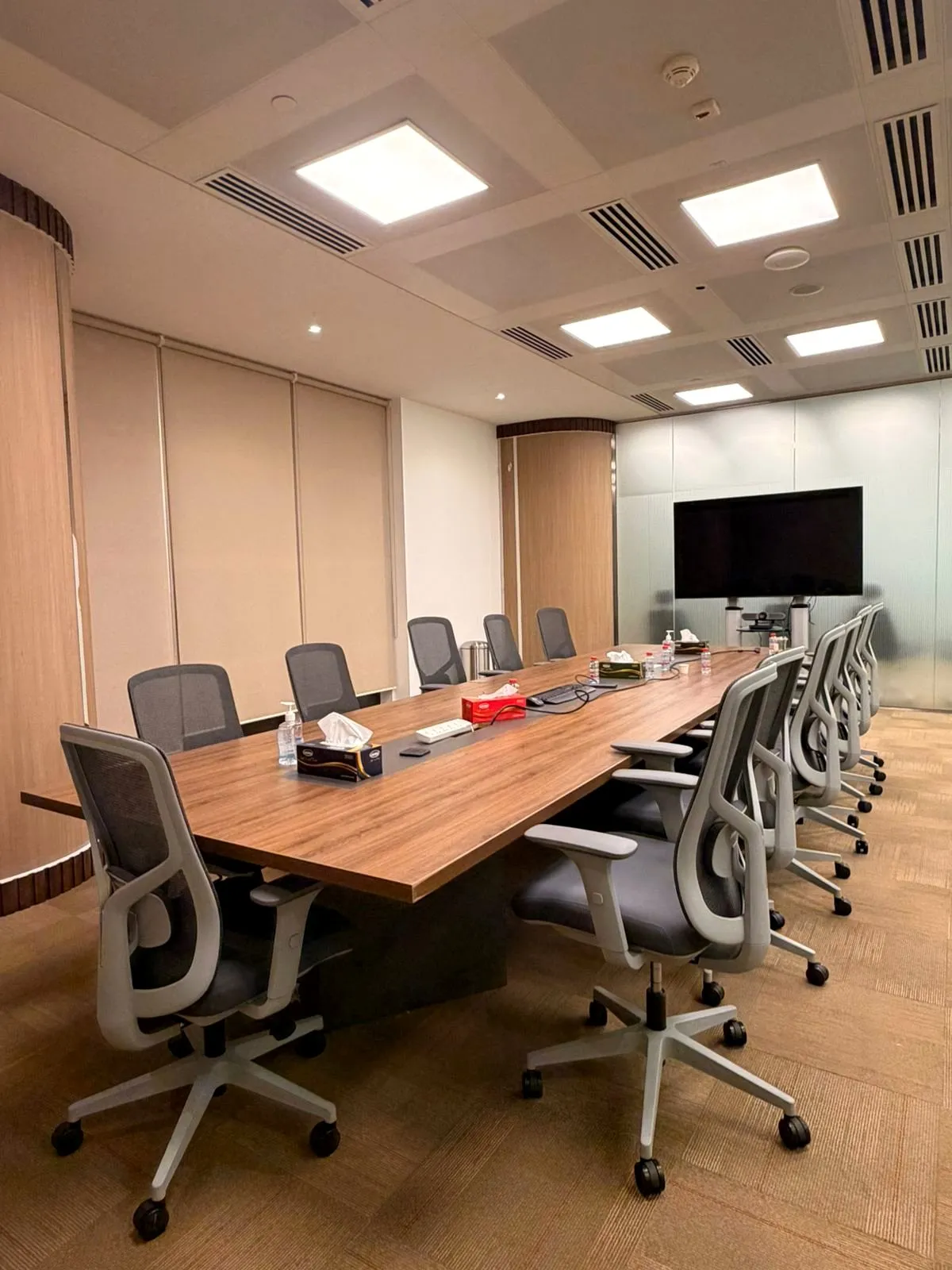
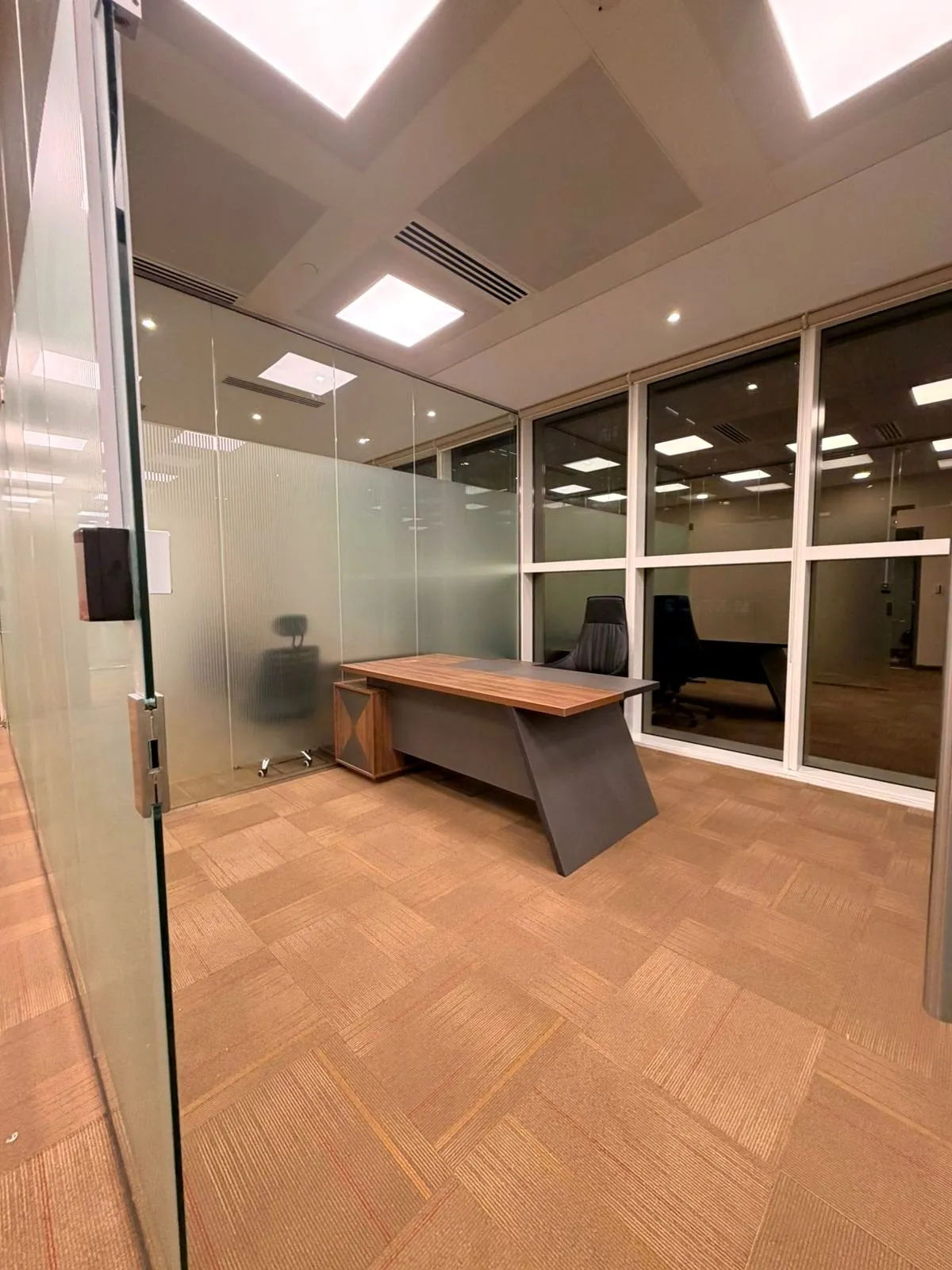
A live-environment fit-out, also called an occupied fit-out, is carried out while the rest of the building stays in use: other tenants are working, lifts are shared and fire systems stay live. Done properly it runs without disrupting operations, by planning around goods-lift booking, noisy-works hours and dust, fire-system isolation and landlord and consultant gates.
Most commercial fit-outs in Dubai and Abu Dhabi happen inside towers that are already occupied. The floors above and below stay open. The fire system stays live. The goods lift is shared with the rest of the building.
The hard part is not the partitions or the ceilings. It is sequencing demolition, MEP tie-ins and firefighting works so that the rest of the tower never has to notice. Beavcon has delivered three consecutive full-floor packages at ADNEC Tower under those conditions. The delays we see on other jobs are almost always the same four items.
1. Goods-lift and loading-bay booking
Strip-out waste, gypsum, glass, ducting and carpet all move through one lift and one dock. If the RFQ does not state booking rules and hours, the contractor will assume daytime access and the first week will be spent renegotiating.
Ask the building manager for:
- Goods-lift dimensions and booking window
- Loading-bay hours and vehicle limits
- Whether weekend or night slots exist, and at what cost
- Protection requirements for common areas
Put those rules in the RFQ. Price protection and out-of-hours working as line items, not as “to be advised”.
2. Noisy-works hours and dust
Demolition and drilling cannot run through a government or corporate floor below. Buildings typically restrict noisy works to evenings or weekends. That compresses strip-out and demolition into fewer shifts and changes the crew size.
A realistic programme shows demolition as night or weekend work, with dust screens, negative-pressure or local extract, and a written method the building will sign. If the offer shows a five-day strip-out on an occupied floor with no night-work allowance, it is not a programme.
3. Firefighting and fire-alarm isolation
You cannot isolate a live tower’s fire system for a full day while the sprinkler and alarm on one floor are modified. Isolation windows are short, booked with the building and often need Civil Defence notice.
The contractor who owns MEP and firefighting under the same contract can sequence those isolations. Separate trades cannot: the civil team waits for the fire team, who wait for the building, who wait for a consultant letter. That is how a two-week MEP window becomes six.
4. Landlord and consultant gates
Occupied towers have a fit-out guide. Material submissions, method statements, inspection requests and authority NOCs sit on the critical path. None of that is “admin after the award”. If the first drawing pack is incomplete, mobilisation slips by the same number of days as the consultant’s review cycle.
We treat submissions as part of the commercial fit-out scope: one engineer is the single point for the landlord, the consultant and the authority. The close-out file — as-builts, test certificates, warranties, snag list closed to zero — is written to the same register the asset team already uses. What that file should contain in 2026 is listed in documented close-out and compliance sign-off.
What to put in the RFQ so the programme is honest
- Occupied or vacant, and who occupies the floors above and below
- Allowed working hours and noisy-works hours
- Goods-lift and loading-bay rules
- Whether the fire system can be isolated, and for how long
- Landlord fit-out guide and consultant contact
- Required opening or lease date
Send the pack through BuildScope with work type set to Fit-Out. We will tell you if the date and the building rules cannot meet before anyone starts pricing rates.