Process · 5 min read
Waterproofing warranty testing documentation UAE: what actually has to be tested and documented
A waterproofing warranty in the UAE is only as strong as the test records behind it. Here is what to test, what to document and what to file before you close out a roof, wet area or podium.
By the Beavcon engineering team Published Updated Reviewed by the Operations & Projects Delivery, HSE and quality on occupied sites
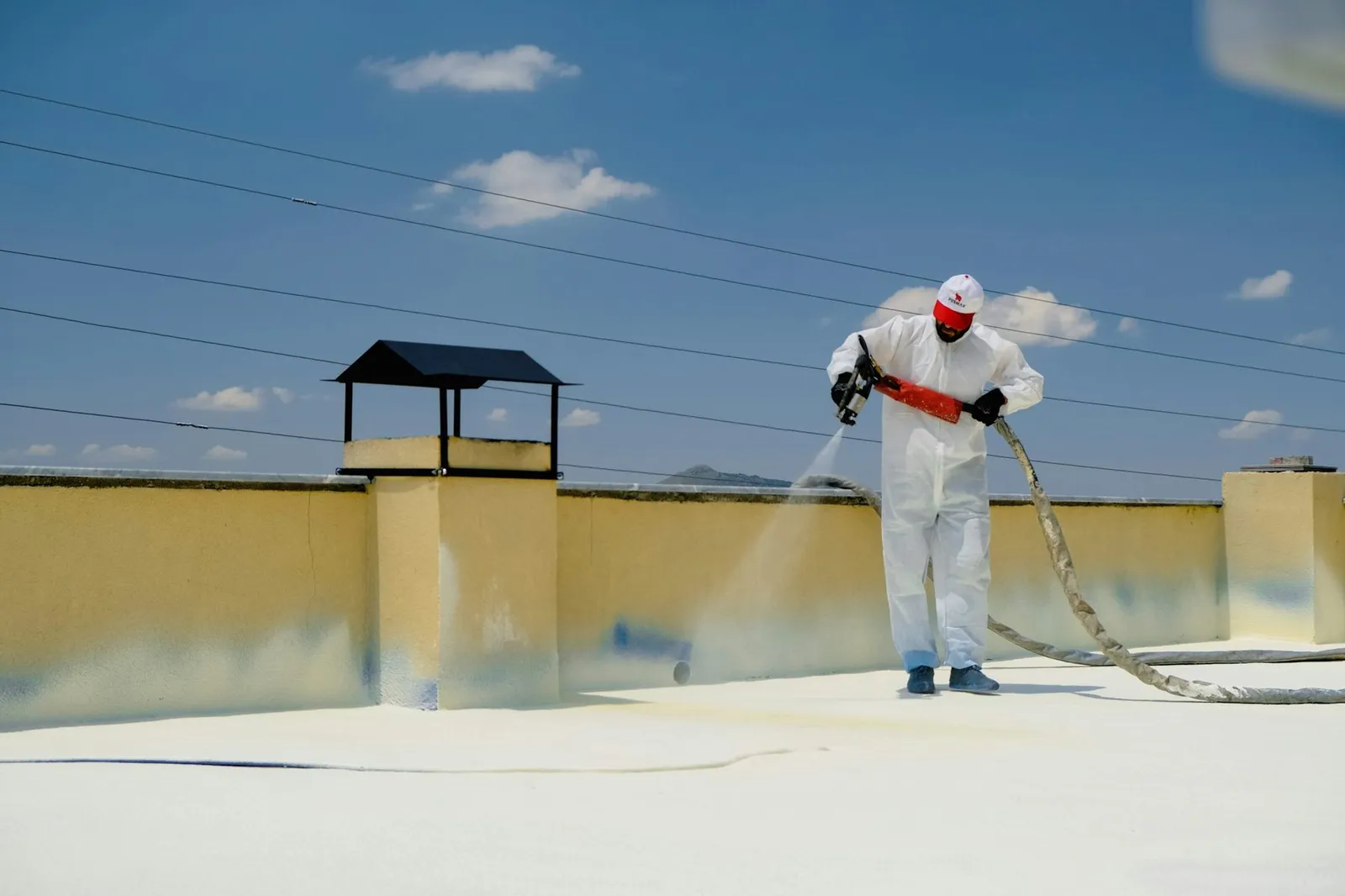
Waterproofing warranty testing documentation UAE is the difference between a warranty that pays out and one that disappears into a dispute. In the UAE, a warranty is only as strong as the test records, inspection reports and close-out documents behind it. This article sets out what to test, what to document and what to file before you accept a roof, wet area or podium waterproofing package.
What waterproofing tests are required in Dubai?
There is no single fixed list of waterproofing tests that applies to every building in Dubai. Requirements vary by authority, free zone, master developer and landlord, and they also depend on the consultant’s specification and the waterproofing system selected. In practice, the tests that matter most are the ones that can be repeated, witnessed and recorded.
Typical tests for roofs, wet areas and podiums include:
- Flood testing of wet areas and accessible roofs by ponding water for an agreed period
- Visual inspection of membrane continuity, laps, terminations and detailing
- Wet film thickness checks during application, and dry film thickness checks after curing
- Adhesion testing where the specification calls for it
- Electronic leak detection on some membrane systems
- Drainage and fall checks before and after membrane installation
Do not assume a test is required because it is common elsewhere. Confirm the test method, pass criteria and witness requirements with the consultant or the authority before the work starts. What matters for warranty is that the test is agreed, witnessed and recorded.
How do I document waterproofing for warranty?
Documentation should be built as the work proceeds, not assembled after a leak appears. The file should show what was installed, how it was tested, who witnessed it and what was accepted.
A practical waterproofing warranty file includes:
- Approved material submittals and technical data sheets
- Surface preparation records and photographs before membrane application
- Wet film and dry film thickness records with locations
- Flood test records with water depth, duration, start and finish times
- Photographs of detailing, laps, upstands and penetrations
- Snag closure records for any defects found during testing
- As-built drawings showing membrane extent and detailing
- The warranty document itself, with start date, scope and exclusions
Keep the file in a format that can be handed to the client or the facility manager. If a dispute arises later, the records that carry weight are the ones signed at the time of the work, not the ones reconstructed afterwards.
What is a flood test for a UAE roof or wet area?
A flood test is a controlled ponding of water over a waterproofed area to check for leaks before finishes or reinstatement are installed. The area is temporarily dammed or plugged, filled with water to an agreed depth, and held for an agreed period while the underside or adjacent areas are inspected.
For a wet area, the test is usually run before tiling. For a roof, it is run before insulation, screed or paving is placed. The water depth and duration are set by the specification or the consultant, not by the contractor alone.
The record should show the date, area, water depth, duration, inspection points and the result. If the test fails, the defect is marked, repaired and the test is repeated. A flood test that was never recorded does not help a warranty claim.
How long is a waterproofing warranty in Dubai?
There is no single warranty period that applies to every waterproofing package in Dubai. The period depends on the contract, the consultant’s specification, the system manufacturer and the authority or developer requirements. Some contracts state five years, some ten, and some are tied to the UAE Civil Code or to the developer’s own liability period.
What matters more than the number of years is what the warranty actually covers. Check whether it covers materials only, workmanship only, or both, and whether it includes access, making good and consequential damage. A long warranty with broad exclusions can be weaker than a shorter warranty with clear obligations.
Ask for the warranty in writing before the work closes out. Confirm the start date, the defects liability period, the response time for reported leaks and the documents that must be produced to make a claim.
What should go into the RFQ before waterproofing starts?
- The waterproofing system and membrane type, or a performance specification
- The test methods, pass criteria and who witnesses each test
- The flood test depth and duration for wet areas and roofs
- The documentation to be handed over at close-out
- The warranty period, start date and exclusions
- The defects liability period and response time for reported leaks
- The access arrangements for inspection and testing
Putting these items in the RFQ means the contractor prices a tested, documented package rather than a membrane application alone.
How Beavcon handles this
We treat waterproofing as a hold point, not a background trade. Surface preparation is inspected before membrane application, membrane thickness is checked during installation, and flood testing is run before finishes or reinstatement are placed. The records are compiled as the work proceeds and handed over with the close-out file.
For waterproofing packages, we document the substrate condition, the membrane thickness, the flood test results and the snag closure before the area is released for the next trade. The same discipline applies to villa renovation wet areas and to building refurbishment podiums and roofs.
The point is not to produce paperwork for its own sake. It is to make sure that when a warranty claim is made, the records show what was installed, how it was tested and what was accepted. That is the difference between a claim that is resolved and one that is argued.
If you are preparing a waterproofing package, upload the specification and drawings through BuildScope and we will come back with a technical-commercial proposal. For a site walk before tender, use the contact page.
General guidance; confirm requirements with the relevant authority or your consultant.