Process · 8 min read
Single-contract accountability in Dubai construction: how it works in multi-trade packages
Single-contract accountability, also called single-point accountability, means one contractor owns the programme, the approvals and the defects in a Dubai multi-trade contract. Here is what that looks like on site, and what to check before you sign.
By the Beavcon engineering team Published Updated Reviewed by the Operations & Projects Delivery, HSE and quality on occupied sites
Single-contract accountability (also called single-point accountability) in a Dubai construction contract means one contractor answers for the whole multi-trade package: programme, coordination, approvals, defects and close-out. In a fit-out or refurbishment that touches civil, MEP, HVAC, partitions, finishes and glass, that single point is what stops a landlord or consultant from chasing three subcontractors for one problem. The alternative is a site where every trade blames the one before it, and the client becomes the default coordinator.
This article explains how single-point accountability actually works in multi-trade construction contracts in Dubai, what it means in project management terms, and who a landlord or consultant calls when three trades are on site. It also gives you a checklist you can copy into an RFQ so the accountability is written into the contract rather than assumed.
How does single-point accountability work in multi-trade construction contracts in Dubai and why does it matter?
In a multi-trade package, single-point accountability means the contractor you appoint is responsible for sequencing, access, quality and documentation across every trade under its contract. That contractor may use its own engineers and technicians, or it may bring in a controlled subcontractor panel, but the client and consultant deal with one entity.
The practical effect is visible in the documents and the daily site routine. One contractor submits the combined programme. One contractor attends the consultant’s coordination meetings. One contractor raises the inspection requests, chases the authority approvals, and holds the snag list until it is closed. When a Civil Defence comment lands on the firefighting modification, the same contractor who installed the partitions and the ceiling is the one who answers it.
Why it matters in Dubai specifically: most fit-out and refurbishment work happens inside buildings that are already occupied or already approved. A landlord’s fit-out guide, a master developer’s NOC process, a DEWA load approval or a Dubai Civil Defence inspection can each stop work if the paperwork is incomplete or the responsible party is unclear. When one contractor owns the package, those roles stay clear by contract rather than by goodwill.
What does single-point accountability mean in construction project management?
In project management terms, single-point accountability is the difference between a contractor who coordinates and a contractor who only installs. It means the contractor owns four things at once:
- Scope: what is in, what is out, and who owns each interface.
- Programme: start, milestones, handover date, and the critical path across trades.
- Quality: materials, workmanship, inspections and test records.
- Documentation: approvals, variations, snags and the close-out file.
A contractor who only installs will finish its own work and leave. A contractor with single-point accountability cannot leave until the whole package is accepted, because the defects and the paperwork are its responsibility too.
That is not a theoretical distinction. On a floor fit-out inside an occupied tower, the demolition crew, the MEP team, the ceiling installer and the glass contractor all pass through the same goods lift and the same lobby. If the ceiling installer damages a fire-rated partition, the client should not have to work out which subcontractor to call. Under a single-point contract, the main contractor owns that interface and fixes it.
Who does a landlord or consultant call when three trades are on site?
The short answer: the contractor named in the contract. That is the point of the model.
In a multi-trade package, a landlord or consultant may have three, four or five trades physically present on the same day: a strip-out crew, an electrician, a duct installer, a partition team and a painter. Each has its own supervisor, its own materials and its own idea of what “finished” means. Without a single point, the consultant becomes the de facto site manager, chasing each trade for progress, access and defects.
With a single-point contractor, the call goes to one project engineer or site manager. That person then re-sequences the trades, moves the materials, books the goods lift, and reports back. The landlord’s fit-out office gets one update instead of five. The consultant gets one inspection request instead of a queue of emails.
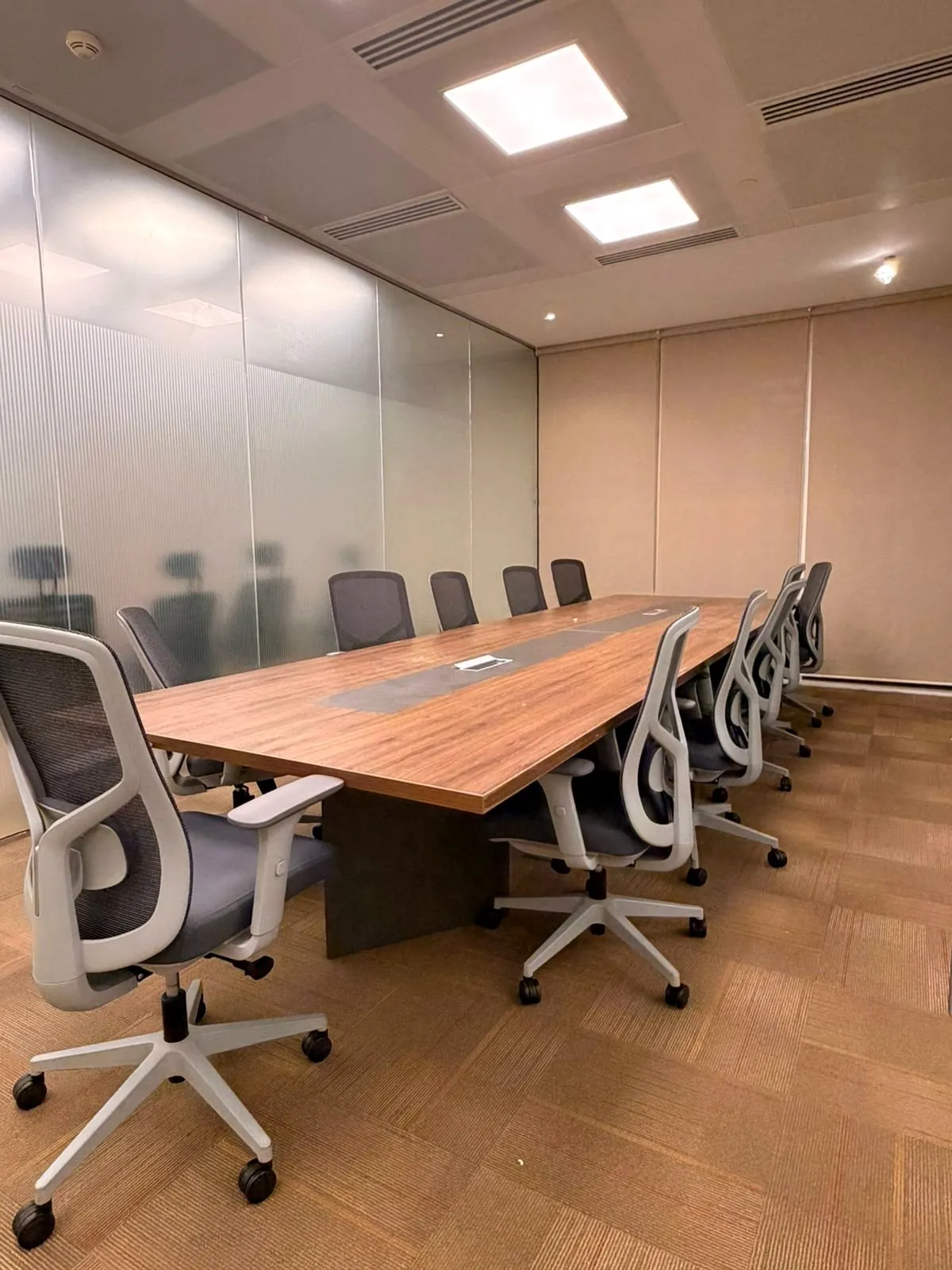
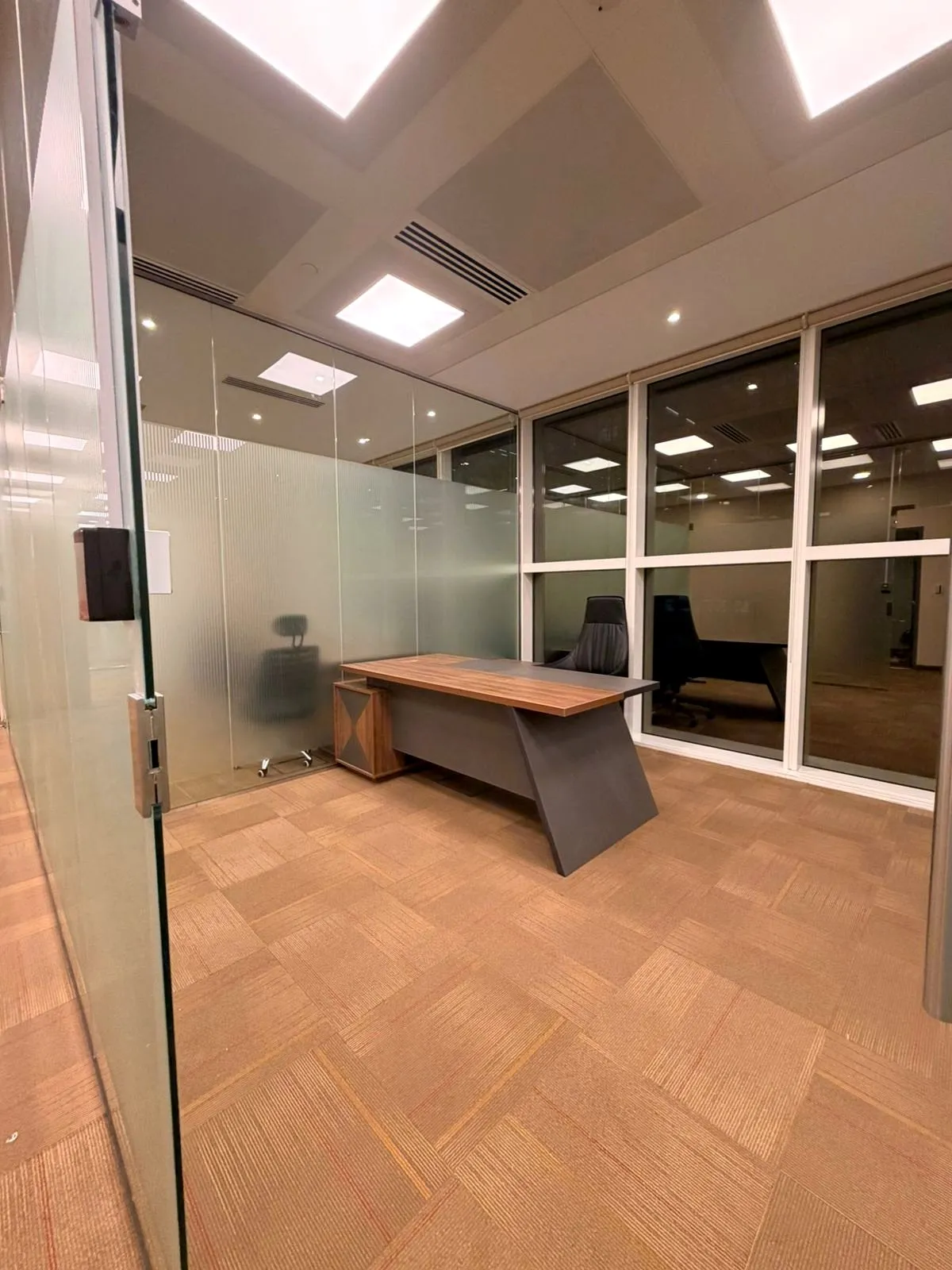
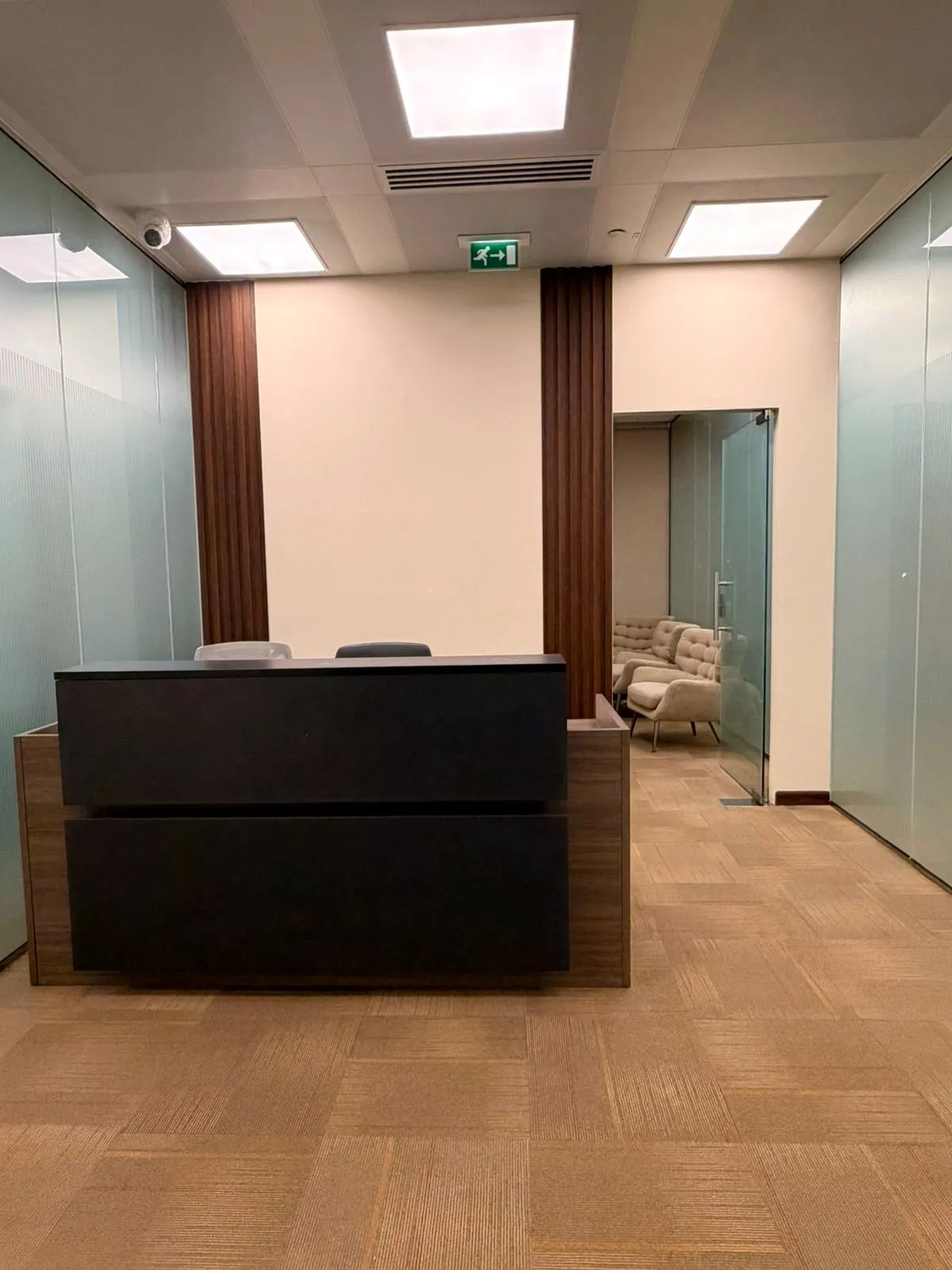
This is the model we run at Beavcon. On the ADNEC Tower floor fit-outs in Abu Dhabi, the package covered demolition, partitions, specialty ceilings, electrical, HVAC, firefighting, automated glass and finishes inside an occupied tower. Single-point coordination covered all trades plus the consultant and authority submissions.
What to check in the contract before you accept single-point accountability
Single-point accountability only works if the contract makes it enforceable. A contractor can promise coordination in a meeting and then sublet every trade with no supervision. The following checklist is what a client or consultant should put in the RFQ or the contract review:
- One named contractor responsible for all trades in the package, with subcontractors under its control.
- A single programme showing the sequence, the critical path and the handover date across all trades.
- A named project engineer or site manager as the single point of contact for the landlord and consultant.
- A defined scope with exclusions and interfaces listed before commencement.
- A variation procedure that requires written approval before extra work starts.
- An inspection and test plan that names who requests, who witnesses and who signs each authority inspection.
- A snagging and close-out obligation that survives practical completion until the file is accepted.
- A defects liability position that covers the whole package, not individual trades.
If any of those items is missing, the single point is a sales phrase rather than a contractual reality.
Where single-point accountability breaks down in Dubai
The most common failure is not the contractor’s intention; it is the paperwork. A contractor takes on a multi-trade package, then discovers that the landlord’s fit-out office wants a separate NOC for the firefighting modification, the consultant wants the MEP drawings in a specific format, and the authority inspection cannot be booked until the consultant signs the request. If the contractor has not priced or programmed that coordination, the programme slips and the client starts calling the trades directly.
The second failure is scope ambiguity. If the RFQ says “MEP modifications as required” and the contractor prices a light-touch modification, the variation argument starts on day one. Single-point accountability does not remove commercial clarity; it depends on it. The scope, the exclusions and the approval responsibilities have to be frozen before commencement.
The third failure is documentation. A contractor can finish the physical work and leave the snag list open, the test certificates unsigned and the as-built drawings unissued. The client then has a finished-looking floor and no close-out file. That is why documented close-out belongs in the contract, not in a handover meeting.
How Beavcon handles this
We treat single-point accountability as a delivery model, not a marketing line. For a multi-trade package, we define the scope and exclusions before commencement, price the coordination as part of the work, and run the programme through one project engineer. The subcontractors on our panel work under that engineer, not around them.
The Beavcon 5 operating promise is built for this: Clear Scope, Cost Visibility, Programme Control, Engineering Control and Documented Handover. Each one maps to a failure point in a multi-trade package. Clear Scope answers the variation risk. Cost Visibility answers the commercial ambiguity. Programme Control answers the sequencing risk. Engineering Control answers the quality and approval risk. Documented Handover answers the close-out risk.
On the Khalifa University fit-out in Abu Dhabi, the package included interior fit-out, civil support, gypsum partitions, decorative cladding, painting and finishing inside an operating campus. The facility and safety requirements were enforced throughout. That is the model we apply: one point of contact, one programme and one close-out file.
If you are tendering a multi-trade package, the first step is to write the accountability into the RFQ. Upload the drawings, the scope and the landlord’s fit-out guide through BuildScope, and we will come back with a qualified technical-commercial proposal. For a package that needs a site walk first, request one through our contact page.
For more on the contract model, read single contractor vs separate trades for Dubai refurbishment and what a commercial fit-out contractor actually coordinates.
Related service: Commercial Fit-Out.
General guidance; confirm requirements with the relevant authority or your consultant.