Prequalification · 8 min read
Self-Perform MEP Contractor Dubai: Who Delivers Electrical, HVAC and Plumbing In-House
How to verify whether a Dubai contractor self-performs MEP or subcontracts it, what goes wrong when MEP is subcontracted on a fit-out, and what to put in your RFQ.
By the Beavcon engineering team Published Updated Reviewed by the Technical Manager Registered with the Society of Engineers UAE and Abu Dhabi Municipality
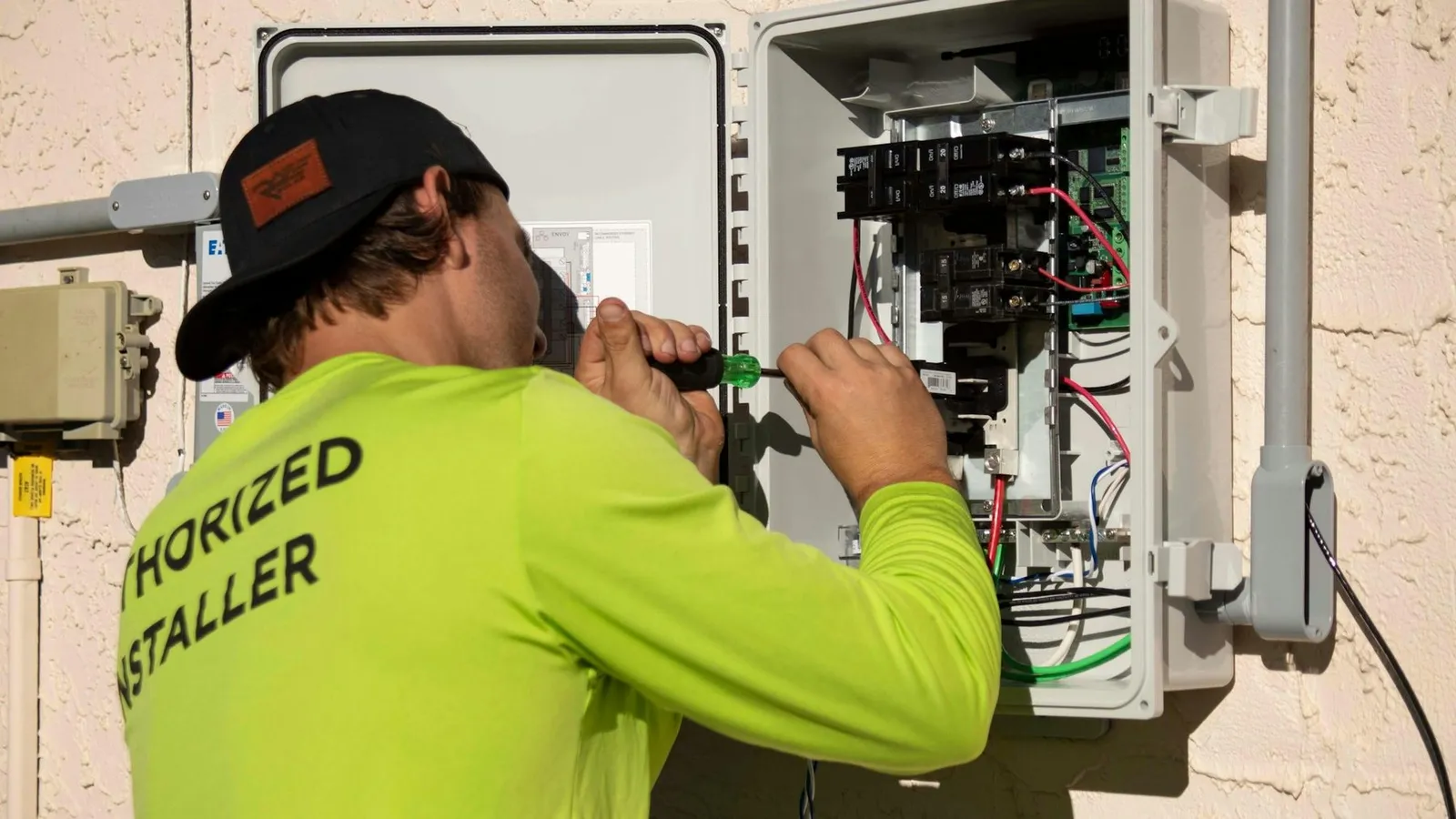
A self-perform MEP contractor Dubai is a contractor that delivers electrical, HVAC and plumbing works with its own engineers, technicians and supervision rather than subcontracting the whole package to a third party. The distinction matters because it changes who controls the programme, who answers for defects and who carries the coordination risk on a fit-out or refurbishment. Before you award an MEP package, you should verify what the contractor actually self-performs, what it subcontracts, and how that split is documented in the offer.
Which UAE contractors are approved for DEWA electrical design and can self-perform MEP works without subcontracting?
DEWA approval for electrical design and installation is not a single licence that every contractor holds. The approval sits with the engineering team and the contractor’s registration, and the scope of what is approved varies by project type, load and location. When you ask a contractor whether it is “DEWA approved”, the useful answer is not a yes or no. It is the list of design and installation activities the contractor can carry out for your specific building type, plus the name of the engineer who will sign the submissions.
MEP Middle East reported that DEWA has standardised digital design for 132kV substations to enhance project execution. That is a transmission-level change, but it reflects the same direction at distribution level: DEWA expects submissions to be structured, digital and traceable. A contractor that self-performs MEP should be able to show you how its electrical submissions are prepared, who reviews them internally and how load schedules, single-line diagrams and DEWA forms are checked before they go to the authority.
What you can verify before award:
- Whether the contractor holds a valid Dubai trade licence covering electrical, plumbing and HVAC works.
- Whether the contractor’s engineers are registered with the Society of Engineers UAE and, where relevant, with the municipality.
- Whether the contractor can name the electrical engineer who will sign DEWA submissions for your project.
- Whether the contractor self-performs the installation or uses a controlled subcontractor panel for part of the scope.
- Whether the contractor has delivered MEP works in a similar building type, ideally inside an occupied building.
- Whether the contractor’s proposal separates design approvals, installation and testing rather than bundling them into one vague line.
- Whether the contractor can produce previous DEWA submissions, inspection requests and completion records as samples.
Requirements differ between DEWA, Dubai Municipality, Dubai Civil Defence, free-zone authorities such as DDA and Trakhees, and the master developer or landlord. Confirm the exact approval chain with the authority or your consultant before you freeze the scope.
How do I know if a Dubai building contractor can self-perform trades like MEP and aluminium glazing or just subcontracts everything out?
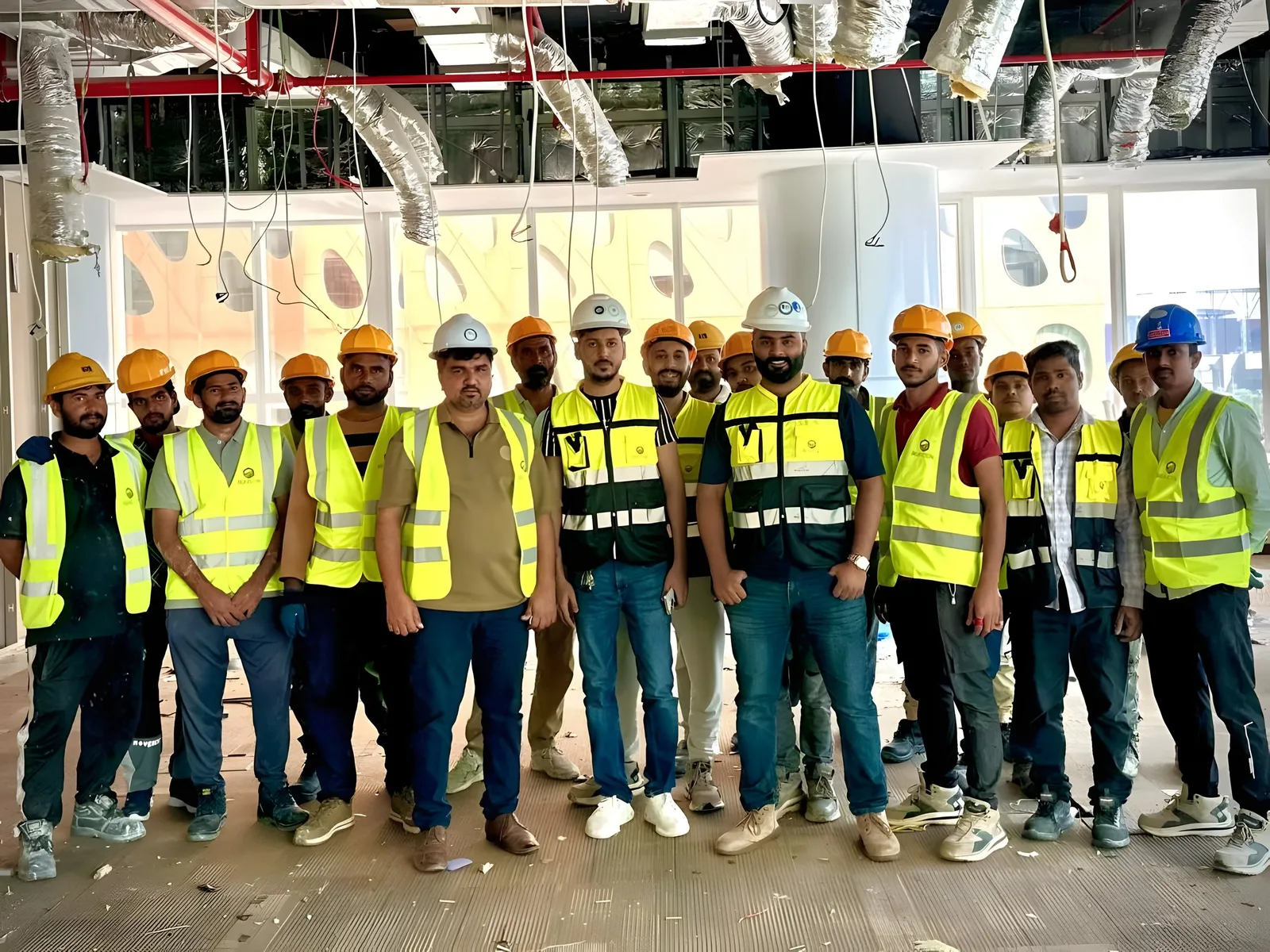
A quick check is to ask for the contractor’s direct workforce list by trade, not by project. A contractor that self-performs MEP should be able to name its electrical, HVAC and plumbing supervisors, technicians and engineers, and to show you which of them will be assigned to your site. If the answer is “we have partners for that”, the contractor is a managing contractor for MEP, not a self-perform MEP contractor.
A second check is the subcontractor panel. Self-performance does not mean zero subcontractors. It means the contractor controls the scope, the sequencing and the quality, and uses subcontractors only for defined specialist items such as fire alarm commissioning, district cooling interface works or authority-mandated testing. Ask the contractor to mark up its proposal: which lines are self-performed, which are subcontracted, and who supervises each.
A third check is the documentation trail. A self-perform MEP contractor can usually produce:
- Internal method statements and inspection and test plans for electrical, HVAC and plumbing.
- Material approvals prepared by its own engineers rather than forwarded from a subcontractor.
- Site instructions and snag lists issued to its own technicians.
- Test records, balancing reports and authority inspection requests with the contractor’s own name on them.
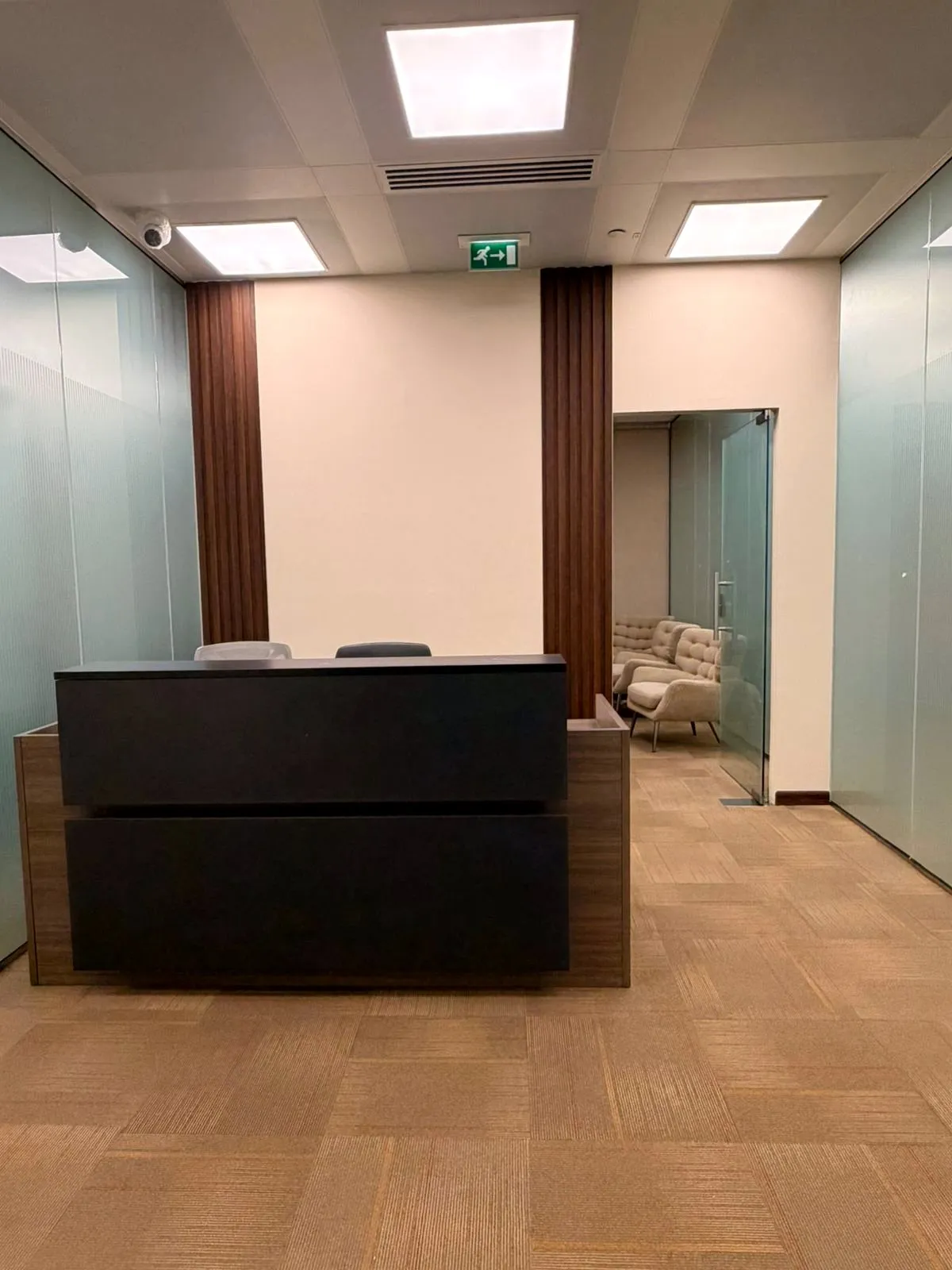
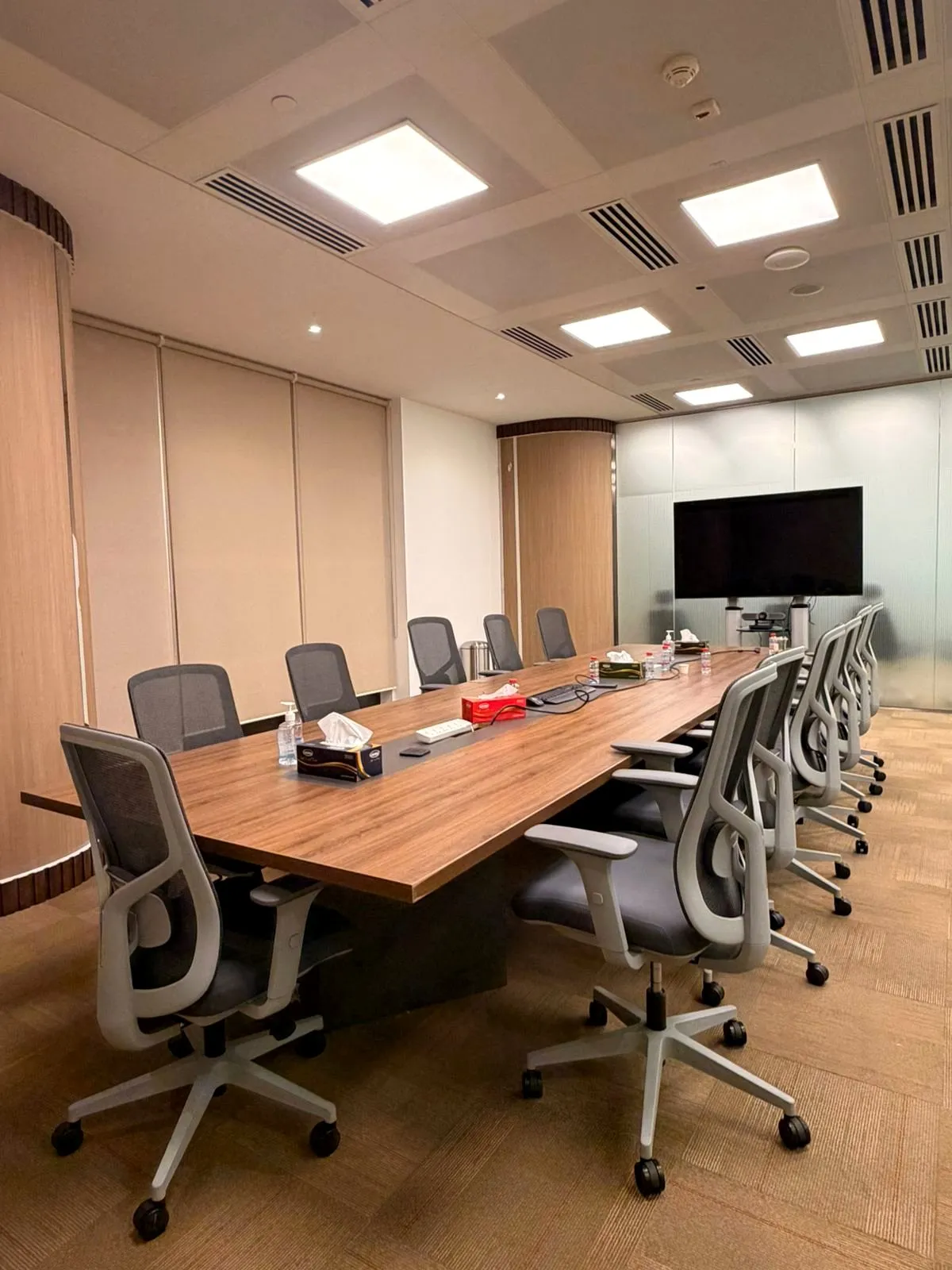
Beavcon self-delivers MEP works under one contract: electrical, plumbing, drainage and firefighting modifications are engineered and installed by one team, with a controlled subcontractor panel for defined specialist items. On the ADNEC Tower fit-outs in Abu Dhabi, the MEP scope ran alongside partitions, ceilings and finishes inside an occupied tower, and the approvals sat on the critical path. The package worked because the MEP engineers, the site supervisors and the finishing trades answered to one programme rather than to separate subcontracts.
What goes wrong when MEP is subcontracted on a fit-out?
The common failure is not that the subcontractor is unskilled. It is that the risk moves to the gap between contracts. When MEP is subcontracted, the main contractor’s obligation is often limited to coordinating the subcontractor. The subcontractor’s obligation is limited to its own scope. What sits between them is the coordination risk: who owns the clash between the duct and the ceiling, who absorbs the delay when the electrical first fix is late, who closes the snags when the subcontractor has moved to another site.
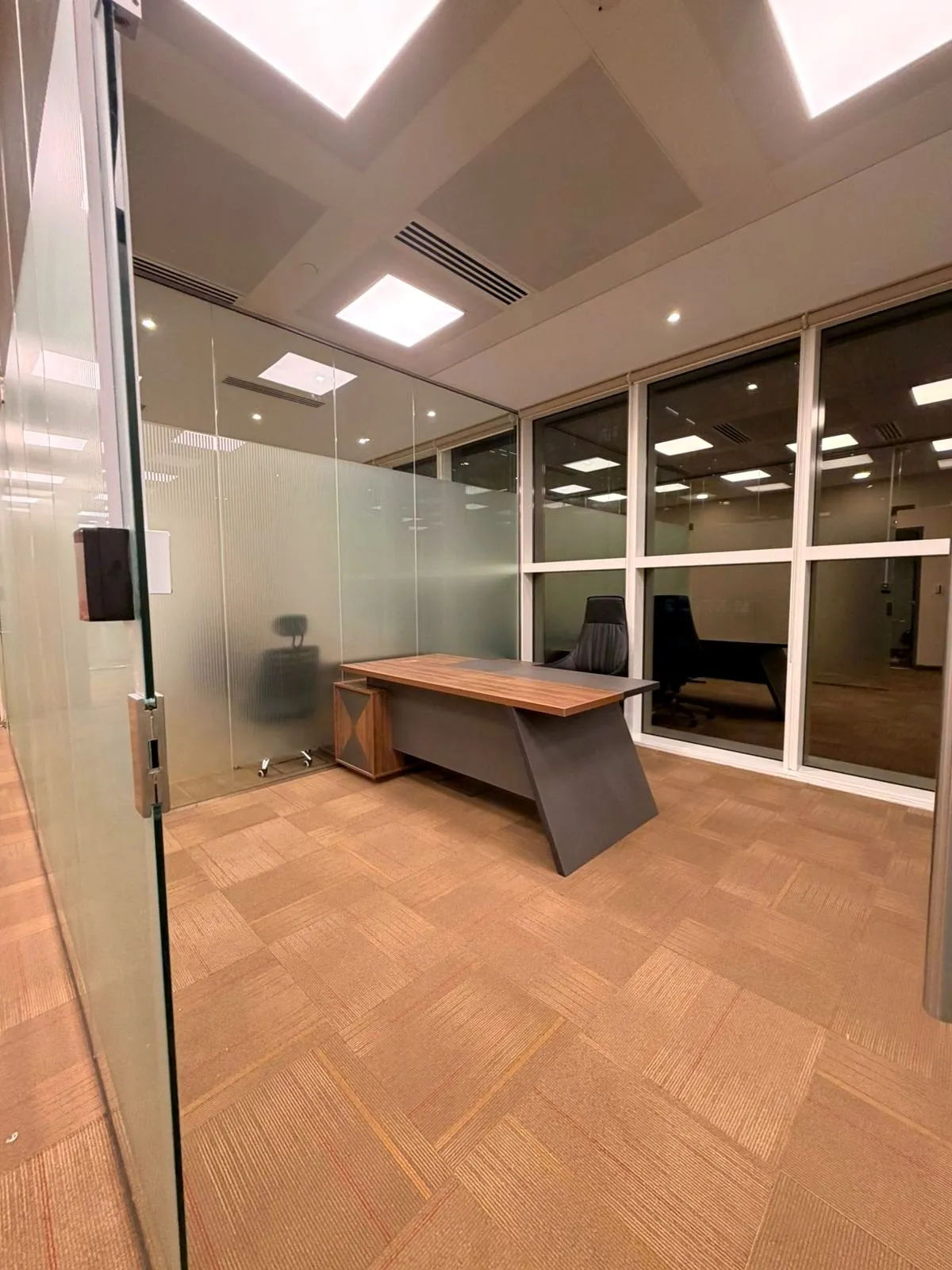
On a fit-out inside an occupied tower, that gap shows up quickly. Goods-lift bookings, working-hour restrictions, authority inspection windows and landlord fit-out rules all have to be coordinated across trades. A subcontractor that is not contracted to the same programme as the joinery and ceiling trades will protect its own dates, not the overall completion date. The result is a sequence of reasonable individual decisions that add up to an unreasonable delay.
The second failure is documentation. Authority submissions, material approvals, test records and close-out documents have to be assembled into one file. When MEP is subcontracted, the main contractor often receives documents late, incomplete or in the subcontractor’s name. The close-out file becomes a collection exercise rather than a controlled handover.
The third failure is accountability after handover. If a duct leaks, a circuit trips or a drain blocks, the client wants one contractor to return and fix it. With a subcontracted MEP package, the main contractor may refer the client to the subcontractor, and the subcontractor may no longer be available. With self-performed MEP, the same contractor that installed the system remains responsible for it.
What to put in an RFQ for self-performed MEP
Copy this checklist into your RFQ or prequalification questionnaire:
- State the building type, the floor or area, and whether the building is occupied during the works.
- Ask the contractor to list which MEP activities it self-performs and which it subcontracts, with the subcontractor’s name and scope for each.
- Ask for the name and registration of the electrical engineer who will sign DEWA submissions.
- Ask for two previous MEP packages in a similar building type, with the authority inspection and handover records.
- Ask how the contractor manages the interface between MEP first fix and ceiling, partition and joinery trades.
- Ask who prepares the testing and commissioning plan and who attends the authority inspections.
- Ask what the contractor includes in the close-out file: test records, as-built drawings, O&M manuals and snag closure.
- Ask how defects after handover are handled and who returns to site.
How Beavcon handles this
Beavcon is a licensed building contractor in Dubai and Abu Dhabi that self-delivers MEP works as part of multi-trade packages. The MEP team covers electrical, plumbing, drainage and firefighting modifications, with HVAC delivered under the same contract where the package requires it. Engineers review drawings, loads and material requirements before installation, and the same supervisors carry the works through testing, authority inspection and snag closure.
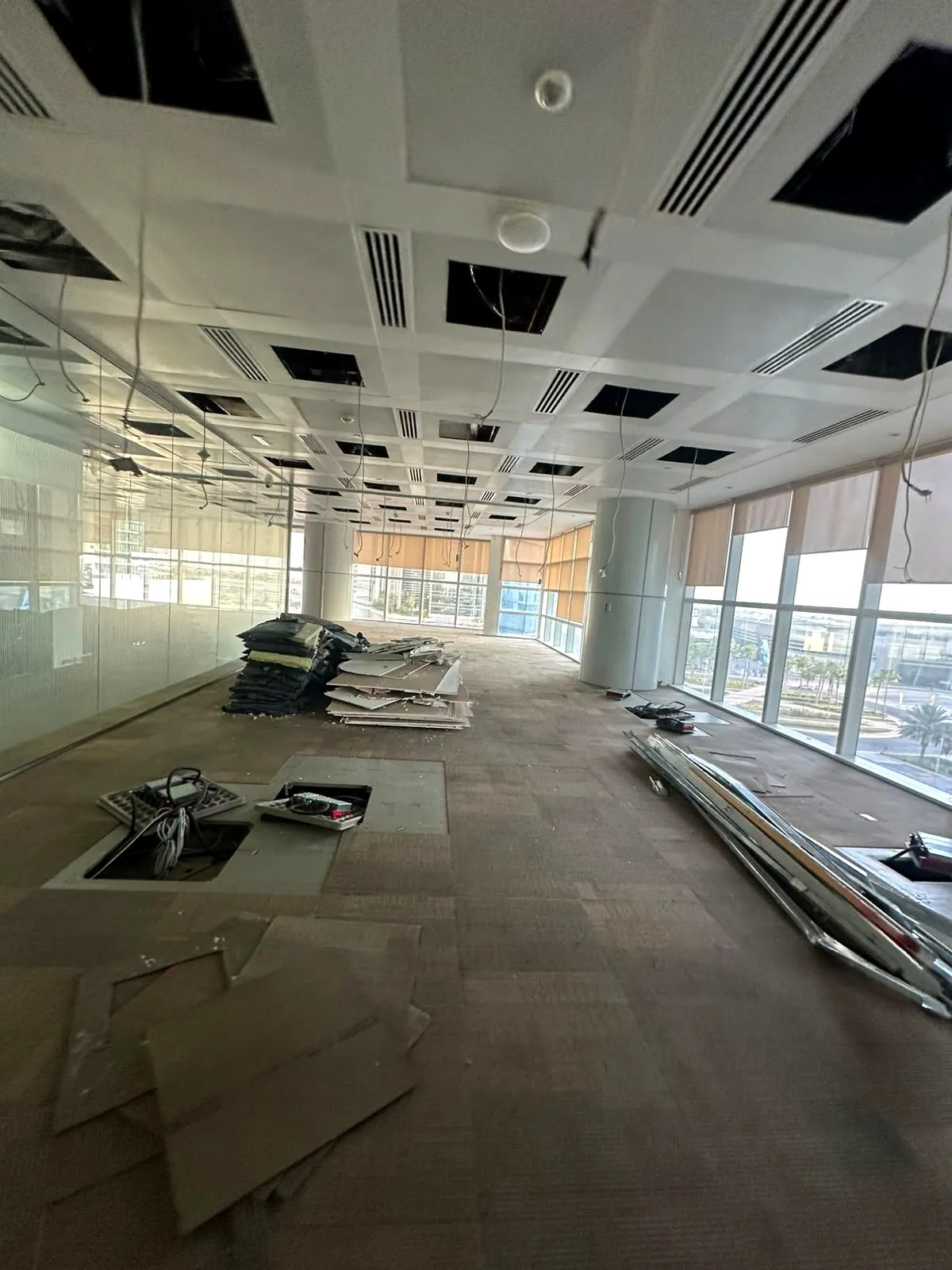
The ADNEC Tower floors in Abu Dhabi are the clearest example. Each floor was a full fit-out inside an occupied tower: demolition, partitions, ceilings, electrical, HVAC, firefighting, automated glass and finishes. The MEP works were not handed to a separate subcontractor; they were planned and installed by Beavcon’s team against the same programme as the finishing trades. That is the point of self-performance: one contractor, one programme, one set of close-out documents.
For a package that includes MEP, upload your drawings, scope and any authority requirements through BuildScope. If you need a site visit before pricing, request one through the contact page. For a fuller picture of how MEP fits into a multi-trade package, read MEP Works and single contractor vs separate trades for Dubai refurbishment.
General guidance; confirm requirements with the relevant authority or your consultant.