Comparison · 8 min read
Refurbishment of Occupied Buildings Dubai Corporate: Choosing the Contractor Model
A corporate refurbishment inside a trading building needs a different contractor model from a new build. This comparison covers evaluation criteria, live-environment controls, and the questions to put in your RFQ.
By the Beavcon engineering team Published Updated Reviewed by the Technical Manager Registered with the Society of Engineers UAE and Abu Dhabi Municipality
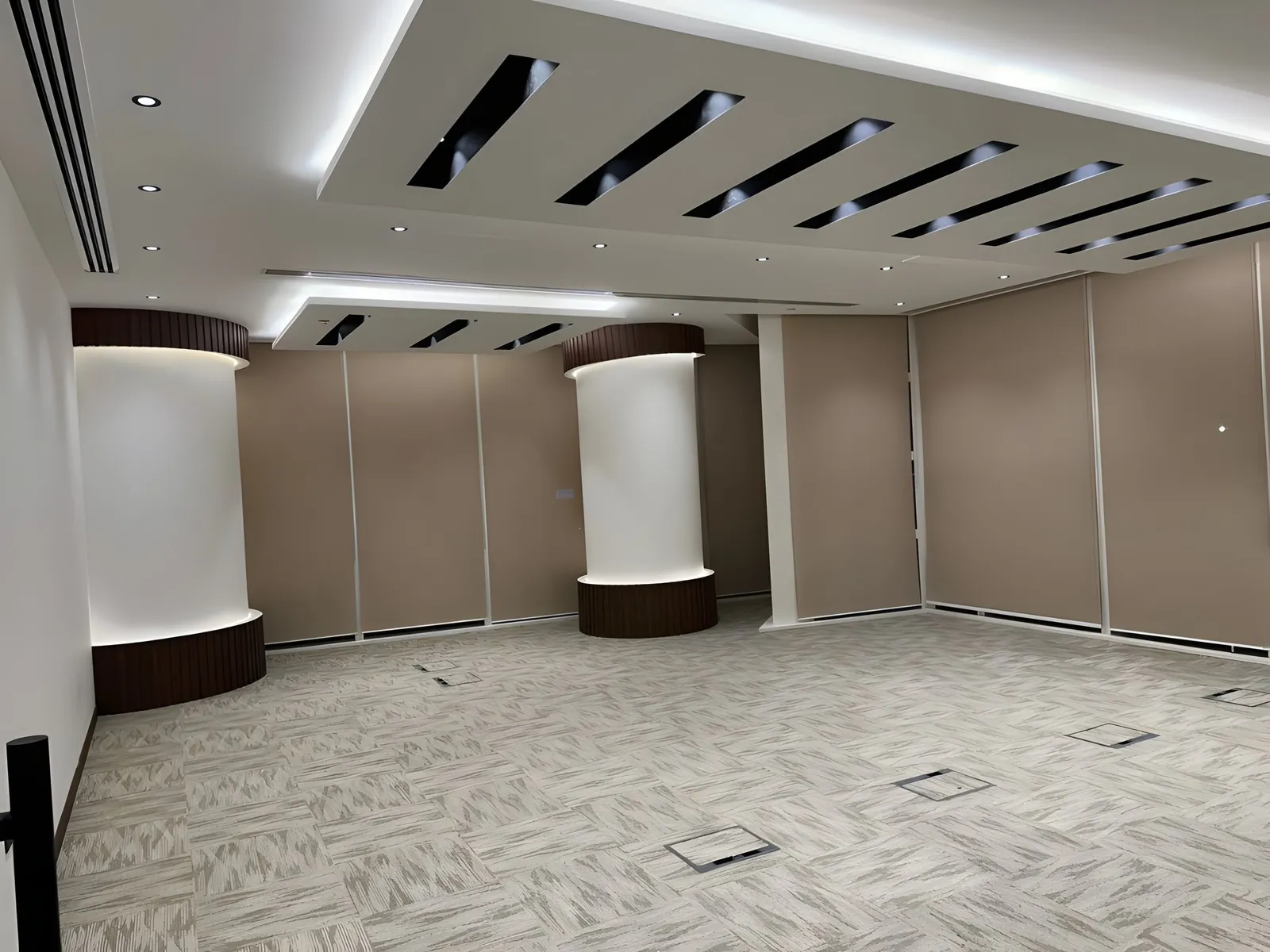
Refurbishment of occupied buildings in Dubai for corporate clients is not a smaller version of a new build; it is a different contractor model. The contractor must protect trading operations, manage noise and dust, coordinate with landlord fit-out offices and authorities, and still deliver a documented close-out. Choosing between a new-build contractor and an occupied-building refurbishment contractor comes down to how each one controls access, isolation, approvals, and handover inside a live asset.
A corporate client comparing the two models should ask one question early: does the contractor treat the occupied environment as a constraint that shapes the programme, or as an inconvenience to be managed later? The answer shows in the method statement, the phasing plan, and the way the contractor prices preliminaries.
How do Dubai building contractors that specialise in refurbishment of occupied buildings differ from new-build contractors?
New-build contractors are organised around a clear site, a single possession date, and a sequence that follows the structure. Occupied-building refurbishment contractors are organised around the opposite: a building that keeps trading, multiple stakeholders who can stop the work, and a programme that follows access windows rather than construction logic.
The practical differences show up in five areas.
Access and logistics. A new-build contractor controls the gate. An occupied-building contractor negotiates the goods lift, the service corridor, the loading bay, and the hours when noisy work is permitted. In a live tower, the landlord or facilities manager often restricts delivery times and requires booked slots for hoists and lifts.
Isolation and protection. A new build has no occupied neighbours behind a temporary wall. A refurbishment contractor must isolate work areas with dust barriers, negative air pressure where needed, floor protection, and controlled waste routes so that tenants, visitors, and staff are not exposed to the works.
Approvals. A new build follows the main building permit path. A refurbishment inside an occupied building adds landlord NOCs, fit-out guidelines, community rules, and authority inspections that depend on the existing building’s status. The contractor must know who issues each approval and who signs each inspection request before the authority visit.
MEP interfaces. In a new build, services are installed as part of the overall sequence. In an occupied building, the contractor is tying into live electrical, HVAC, firefighting, and drainage systems. Shutdowns, isolations, and re-energisation become controlled events, not routine tasks.
Close-out. A new-build handover is about the completed asset. An occupied-building handover is about the completed asset plus the evidence that the building remained safe and operational throughout: inspection records, snag closure, authority sign-offs, and landlord documentation.
A contractor that only builds new shells may deliver excellent concrete and structure but struggle with the coordination burden of a live corporate environment. A contractor that routinely refurbishes occupied buildings will price and programme that burden from day one.
How do I evaluate a building contractor in the UAE for an occupied office fit-out where we cannot shut down operations?
Evaluation should start with evidence, not promises. For an occupied office fit-out in Dubai or Abu Dhabi, the contractor’s track record inside live buildings matters more than its total project count.
Ask for projects where the contractor worked inside an operating tower, a trading retail asset, or an occupied campus. Then check what the contractor can show for each one: the phasing plan, the noise and dust controls, the authority approvals, and the close-out file. A contractor that cannot show these documents for a past occupied-building project will not suddenly produce them for yours.
The evaluation checklist below can be used during prequalification or a site walk.
- Confirm the contractor has delivered at least one project inside an occupied building with tenants or operations continuing.
- Ask who in the contractor’s team owns the landlord and authority coordination, and who signs the inspection requests.
- Review a sample method statement for noisy works, dust-generating works, and MEP isolations in a live environment.
- Ask how the contractor plans out-of-hours work and what it charges for premium-time labour.
- Check the contractor’s approach to temporary protection, waste routes, and cleaning at the end of each shift.
- Ask how the contractor documents variations when a live building forces a change to the agreed sequence.
- Request a sample close-out pack: inspection records, snag closure, authority sign-offs, and landlord handover documents.
- Confirm the contractor can mobilise a multi-trade team under one contract rather than coordinating separate trades itself.
For a corporate client, the contractor’s commercial behaviour matters as much as its technical ability. In an occupied building, the biggest cost risk is not the work itself; it is the unplanned shutdown, the tenant complaint, or the authority rejection that stops the programme. A contractor that documents changes and variations clearly protects the client from those risks.
When you shortlist contractors, ask each one to walk the actual floor or zone with you before pricing. A contractor that has seen the live MEP risers, the lift lobbies, the fire escape routes, and the tenant adjacencies will price the protection and phasing more accurately than one working from drawings alone. Ask the contractor to mark on the drawings where it would place dust barriers, where waste would travel, and where noisy works would sit inside the permitted hours. Those marks tell you whether the contractor has understood the building as a live asset or is treating it as an empty shell.
What controls keep an occupied building trading during works?
The controls that keep a building trading are not optional extras. They are the core of the contractor’s method. The table below sets out the main controls and who typically owns them in a Dubai or Abu Dhabi occupied-building refurbishment.
| Control | What it does | Who typically owns it |
|---|---|---|
| Phasing and zoning | Splits the works so only defined areas are affected at one time | Contractor, agreed with client and landlord |
| Temporary protection | Dust barriers, floor protection, and sealed openings | Contractor |
| Noise and vibration management | Limits noisy works to agreed hours and methods | Contractor, with landlord or building management rules |
| MEP isolation and shutdown planning | Controls live services during tie-ins and modifications | Contractor with building MEP team |
| Waste management | Defines waste routes, holding areas, and removal times | Contractor with landlord or facilities manager |
| Authority and landlord approvals | Keeps permits, NOCs, and inspections aligned | Contractor, consultant, landlord, and authority |
| Daily cleaning and housekeeping | Keeps common areas and escape routes clear | Contractor |
| Documented close-out | Records inspections, snags, and sign-offs | Contractor with consultant |
These controls only work when they are written into the contract and the programme. A contractor that treats them as site-level habits will lose them under programme pressure. A contractor that treats them as hold points will keep the building trading and the client protected.
Before you tender, test each control against your building’s actual constraints. Ask the building management for the fit-out guide, the loading bay rules, the goods lift booking procedure, and the permitted working hours. Send those documents with the RFQ so every bidder prices the same access regime. If the building has a live data centre, a medical tenant, or a retail unit trading below the works, state that in the RFQ as well. Those adjacencies change the protection and isolation requirements, and a bidder that does not know about them cannot price them.
How Beavcon handles this
We treat occupied-building refurbishment as a coordination exercise before it is a construction exercise. The scope, exclusions, and responsibilities are defined before commencement; the programme is built around access windows, isolations, and authority inspections; and the close-out file is assembled as the works proceed, not at the end.
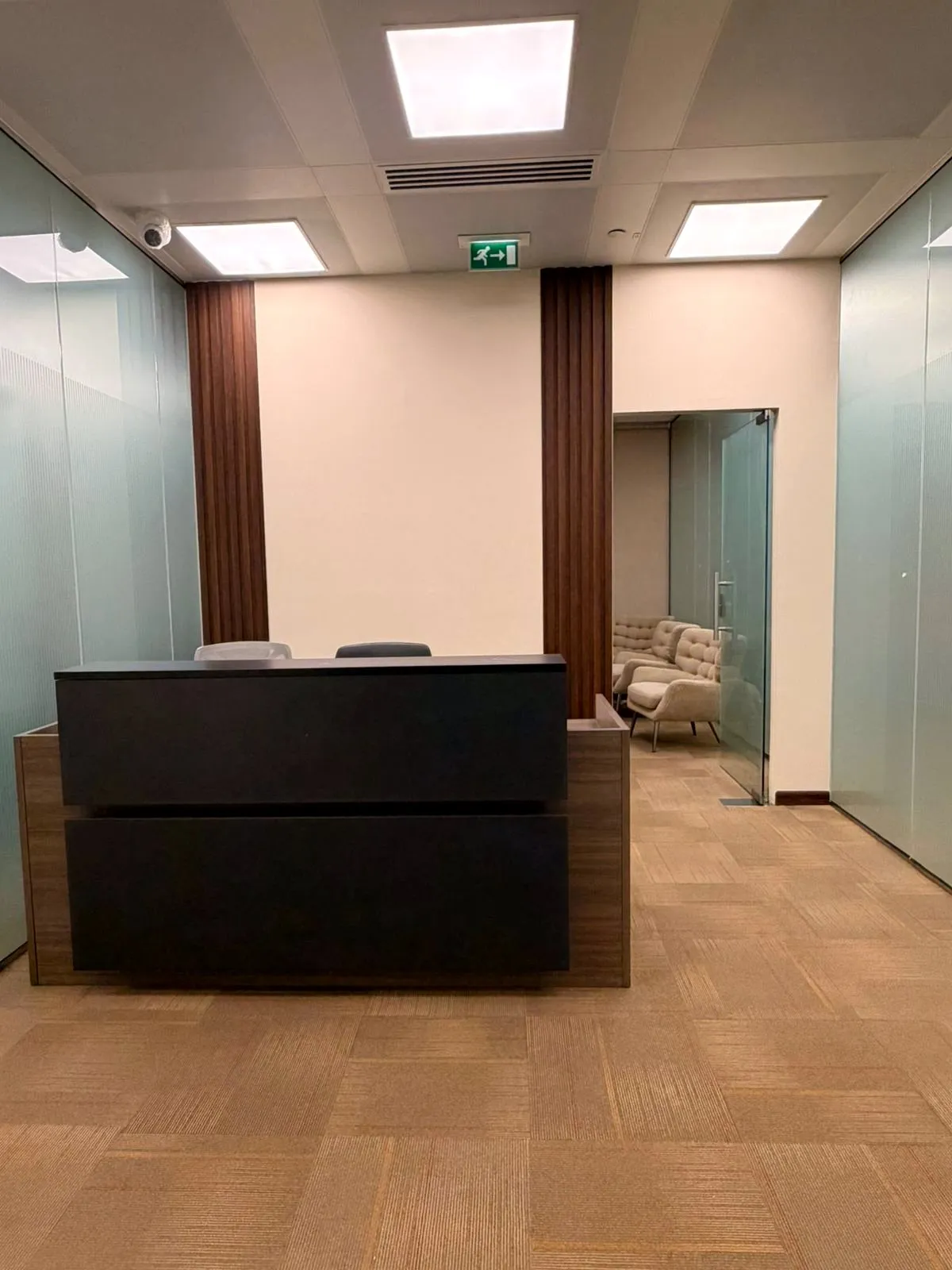
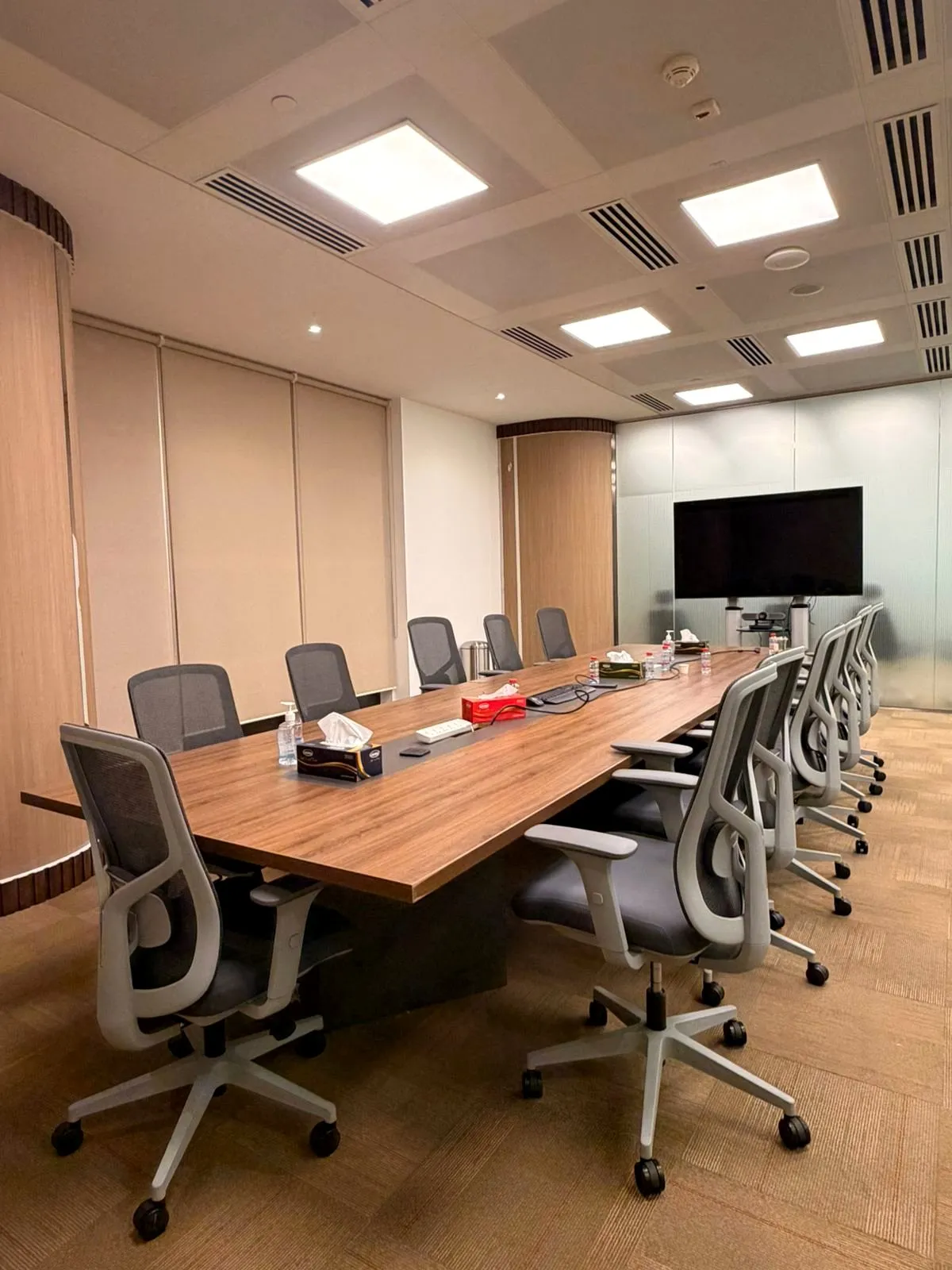
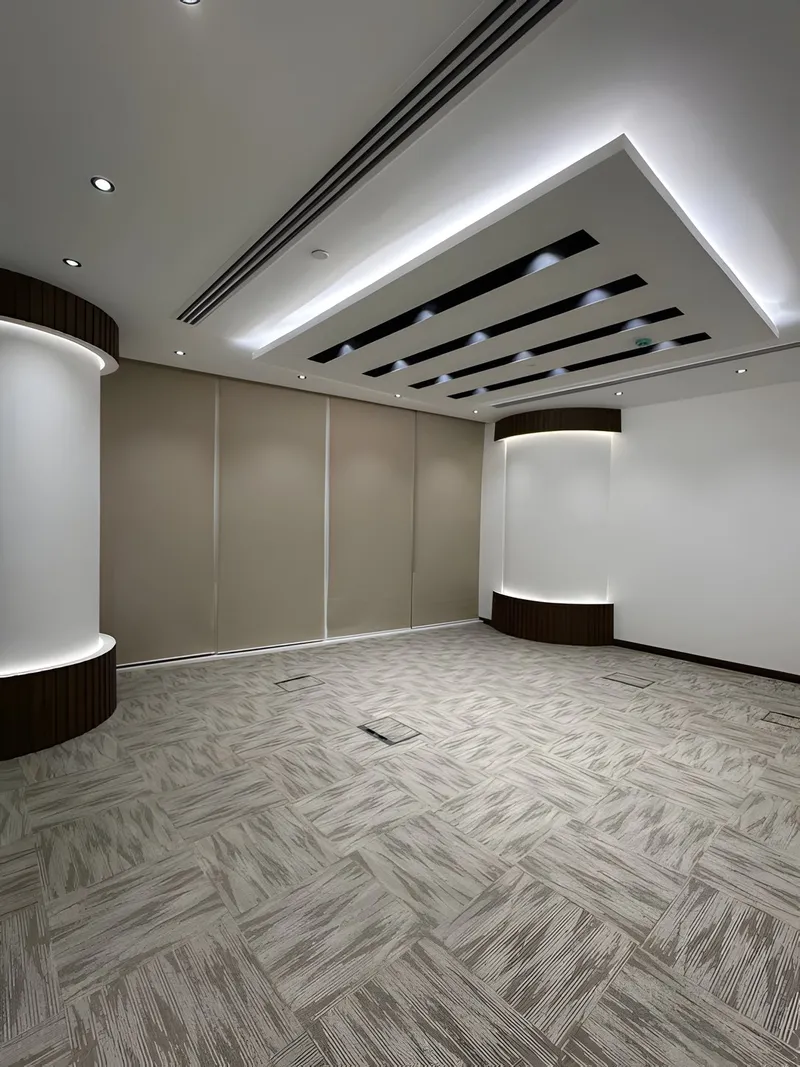
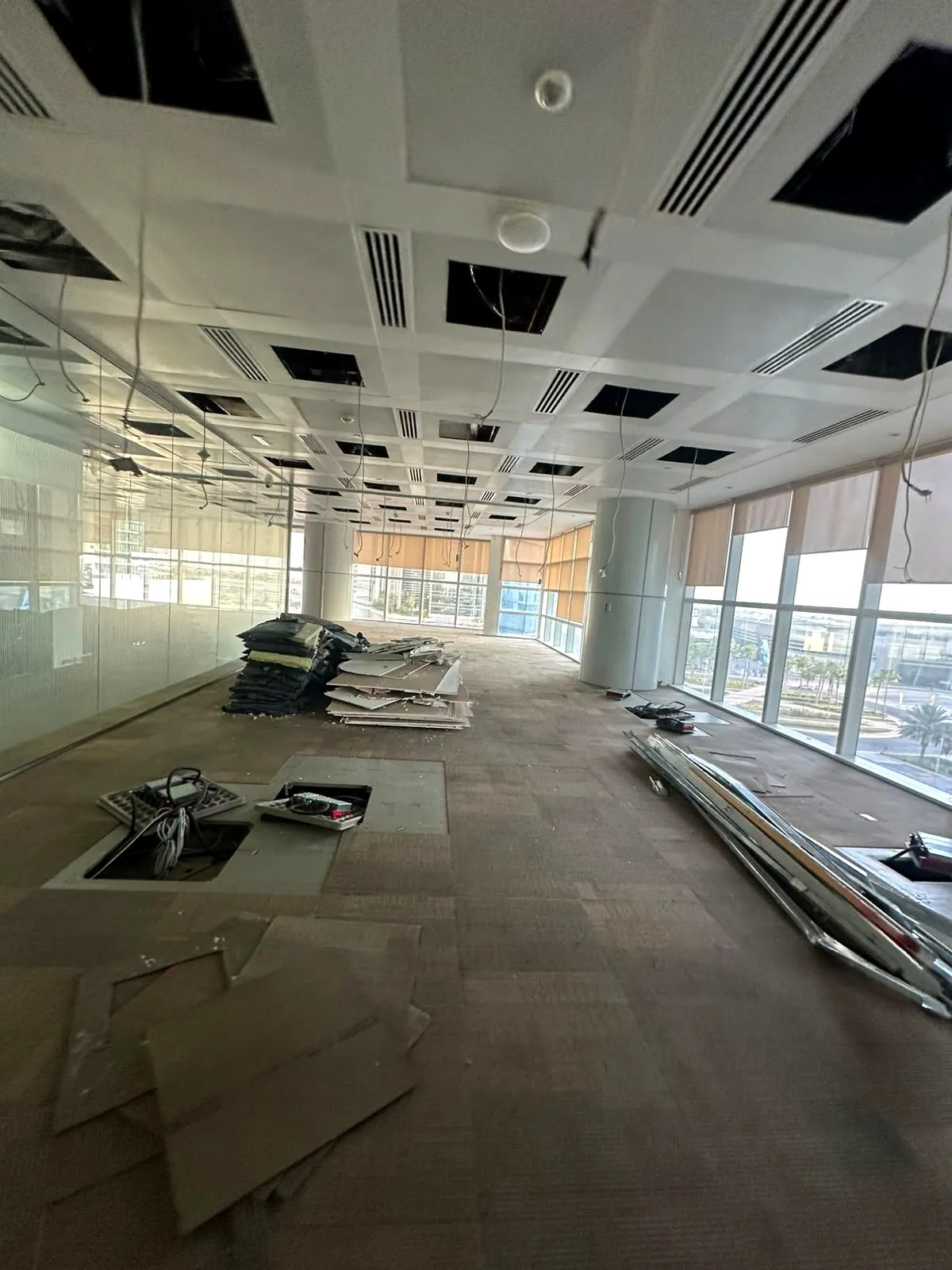
On the ADNEC Tower floors in Abu Dhabi, we delivered full fit-outs inside an operating tower across consecutive floors. Demolition, partitions, specialty ceilings, electrical, HVAC, firefighting, automated glass, and finishes were all coordinated while the tower remained occupied. The constraint was not the fit-out itself; it was the live building around it, and the consultant and authority approvals on the critical path. That is the environment where the occupied-building model proves itself.
For corporate clients, the practical next step is to put the right questions into the RFQ. Ask for evidence of live-environment delivery, a sample method statement, and a sample close-out pack. Then compare the answers against the controls in the table above. If you have a package in mind, upload the drawings and scope through BuildScope and we will come back with a qualified technical-commercial proposal. If you need a site walk first, request one through our contact page.
For more on the evaluation process, read how to prequalify a building contractor in Dubai and fit-out in an occupied tower: what actually delays the programme.
Related service: Building Refurbishment.
General guidance; confirm requirements with the relevant authority or your consultant.