Guide · 7 min read
Dubai apartment refurbishment before re-letting 2026: what landlords must fix
A fast, documented refurbishment of kitchens, bathrooms, MEP and common areas protects yield and shortens void periods when a Dubai lease turns over.
By the Beavcon engineering team Published Updated Reviewed by the Technical Manager Registered with the Society of Engineers UAE and Abu Dhabi Municipality
Dubai apartment refurbishment before re-letting in 2026 is not a full renovation; it is a targeted, documented refresh of the items that tenants inspect first and that cause the most maintenance disputes later. The practical scope is kitchens, bathrooms, air conditioning, electrical points, paint, flooring, windows and doors, plus any landlord-owned common-area defects that affect the unit. Done as one coordinated package, this work can be completed during a normal notice period and handed over with a close-out file that supports the next tenancy.
Dubai rental contracts topped 257,000 with new leases up 19%, Arabian Business reported, so landlords are competing for tenants who can choose between multiple vacant units. A unit that looks tired or has unresolved maintenance issues stays vacant longer, while a clean, documented refurbishment lets you re-let faster and at a defensible rent.
What should I refurbish before re-letting a Dubai apartment?
Start with the items a tenant notices within the first five minutes and the items that generate the most maintenance calls. In practice, the priority order for most Dubai apartments is:
- Kitchen: cabinet doors and hinges, worktop joints, sink sealant, cooker and extractor, and any water damage under the sink.
- Bathrooms: silicone at the bath, shower tray and vanity, grout, water pressure, toilet flush, and any sign of damp on adjacent walls.
- Air conditioning: clean or replace filters, check condensate drains, confirm the thermostat and fan speeds work, and address any smell or noise.
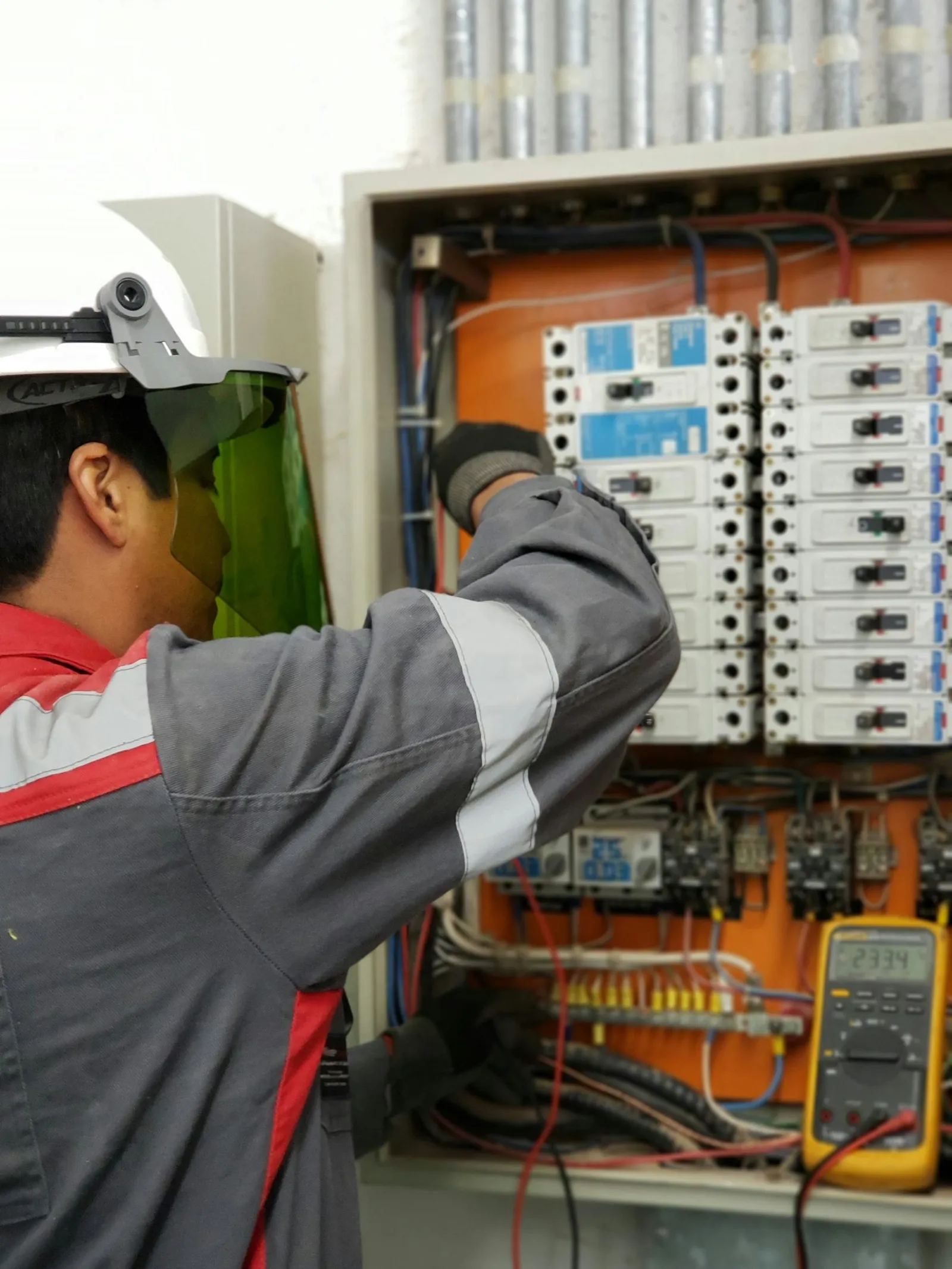
- Electrical: test all sockets and switches, replace cracked faceplates, check the distribution board labelling, and confirm the water heater and extract fans work.
- Paint and finishes: repaint scuffed walls and ceilings, repair door edges, adjust cabinet doors, and replace damaged skirting.
- Flooring: re-grout or replace cracked tiles, repair lifting vinyl, and deep-clean carpets or replace them if stained.
- Windows and doors: check locks, handles, hinges and seals; repair or replace damaged glazing gaskets and door closers.
- Waterproofing: check the balcony, external walls and wet areas for leaks or efflorescence before they become a tenancy dispute.
A landlord does not need to do all of this every time. The useful discipline is to walk the unit with a checklist, photograph the defects, and then price the work as one package rather than as separate call-outs.
How fast can a Dubai apartment refurbishment be completed?
A standard between-tenancy refurbishment typically takes two to four weeks when the scope is frozen early and the contractor can mobilise as soon as the previous tenant hands over. The critical path is usually not the site work; it is the notice period, access, and any landlord or building-management approvals for noisy or wet trades.
What makes it faster:
- One contractor owns all trades, so there is no gap between the painter, the AC technician and the plumber.
- Materials with long lead times are ordered before the tenant moves out.
- The scope is fixed before commencement, so there are no mid-job variations.
- The building allows work during normal hours and the goods lift can be booked.
What makes it slower:
- Waiting for multiple separate contractors to attend one after another.
- Discovering defects only after the old tenant has left and the unit is empty.
- Starting without confirming which works need landlord or building-management approval.
- Changing the scope after the contractor has mobilised.
If the unit is in an occupied building, the contractor must also work around lift bookings, waste removal rules and quiet hours. That is manageable, but it should be in the programme from day one.
Do I need permits for apartment refurbishment between tenants?
For most cosmetic refurbishment inside a private apartment, no separate building permit is usually required from Dubai Municipality. Cosmetic work means painting, flooring, kitchen and bathroom finishes, joinery repairs and replacing like-for-like fixtures without altering the structure, the façade or the fire-rated layout.
Approvals become more likely when the work involves:
- Structural alterations or removing walls.
- Changing the apartment layout or adding a room.
- Modifying fire-rated doors, walls or escape routes.
- Altering the external façade, balcony enclosure or glazing.
- Adding or relocating wet areas, drainage points or ventilation.
- Work that affects common areas, risers or building services.
Requirements vary by authority, free zone, master developer and landlord. In Dubai, the relevant bodies can include, for example, Dubai Municipality, Dubai Civil Defence, DEWA, the Dubai Development Authority in its communities, Trakhees in its jurisdiction, and the building’s owner or facilities manager. The practical rule is to confirm with the building management and, where a consultant is involved, with the consultant before starting. Many buildings also require a fit-out or refurbishment NOC, a waste removal plan and proof of contractor insurance.
What adds most value to a Dubai rental refurbishment?
The highest-value work is the work a tenant can see and verify during a viewing, plus the work that prevents a maintenance dispute in the first month. In most Dubai apartments that means:
- A clean, repainted unit with working AC and no visible water stains.
- A kitchen and bathroom that do not smell and do not show cracked silicone or grout.
- Working sockets, switches, water heater and extract fans.
- Quiet, properly closing doors and windows.
- A documented handover that shows what was repaired and when.
High-spec finishes can help in premium buildings, but they do not compensate for unresolved leaks, poor AC or a bathroom that looks unclean. The value is in the completeness of the package, not in any single upgrade.
| Area | Typical between-tenant work | Why it matters |
|---|---|---|
| Kitchen | Cabinet adjustment, sealant, sink, extractor, worktop joints | First room tenants inspect; water damage spreads fast |
| Bathrooms | Silicone, grout, flush, pressure, damp check | Most common source of tenancy disputes |
| AC | Filters, drains, thermostat, noise | Unresolved AC complaints delay re-letting |
| Electrical | Sockets, switches, DB labelling, water heater | Safety and daily usability |
| Paint and finishes | Walls, ceilings, doors, skirting | Visible improvement |
| Flooring | Tiles, grout, vinyl, carpet | Worn flooring dates the whole unit |
| Windows and doors | Locks, hinges, seals, closers | Security and noise complaints |
| Waterproofing | Balcony, wet areas, external walls | Prevents disputes and structural damage |
How Beavcon handles this
We treat a between-tenant refurbishment as a single multi-trade package with a fixed scope, a short programme and a documented close-out. That means one contractor owns the painting, flooring, kitchen and bathroom repairs, AC, electrical and any waterproofing, so the landlord is not coordinating five separate call-outs during a void period.
The approach is the same one we use on occupied-building refurbishments: confirm access and approvals first, freeze the scope, order materials early, and hand over with inspection and snag records. On the Mudon Villas programme, we completed civil works and roof epoxy painting across 90 occupied villas by working to a controlled sequence and a resident-facing programme. On the Jumeirah Villa renovation, a private owner received the full scope under one contract rather than managing separate trades.
For a Dubai apartment, the practical sequence is a site assessment, a scope and defects list, a fixed price for the agreed package, a short programme, and a handover file the landlord can keep for the next tenancy.
Next step
If you have a Dubai apartment coming vacant, upload the unit details, photos and any existing defect list through BuildScope. We will review the scope and return a qualified proposal, with the target of a technical-commercial response within 48 hours for standard packages. You can also request a site visit through our contact page.
Related service: Building Refurbishment.
General guidance; confirm requirements with the relevant authority or your consultant.