Comparison · 9 min read
Aluminium Glass Contractor Dubai: In-House Delivery or Specialist Subcontract?
How to tell whether a Dubai contractor can self-perform aluminium, glazing and partitions, what automated glass needs from the main contractor, and where glazing packages usually delay a fit-out.
By the Beavcon engineering team Published Updated Reviewed by the Technical Manager Registered with the Society of Engineers UAE and Abu Dhabi Municipality
An aluminium glass contractor in Dubai can be either an in-house trade team or a specialist subcontractor, and the difference shows up first in accountability, not in the glass itself. In-house delivery means the contractor directly employs the aluminium and glazing crew, so one contract owns measurement, fabrication, installation, snagging and handover. A specialist subcontract puts that scope one step away, which can work well on a clean façade package but often creates interface gaps on a multi-trade fit-out where partitions, doors, ceilings, MEP and fire-stopping meet the glass.
For a client comparing tenders, the practical question is not whether the contractor has a glazing division, but whether the named team will self-perform the scope in your package and how that is evidenced. Ask for the crew list, the workshop arrangement, the installation sequence and the inspection plan. If the answer is that a specialist will be nominated later, treat the glazing scope as an open risk until the subcontractor is named and approved.
How do I know if a Dubai contractor can self-perform aluminium glazing and partitions?
Self-performance is verifiable before award, but only if you ask the right questions in the prequalification and tender stages. A contractor that genuinely self-performs aluminium and glazing should be able to show direct evidence rather than describe a relationship with a supplier.
Check these points during prequalification:
- Direct crew: named aluminium fitters, glaziers and partition installers on the contractor’s own books or on a labour-supply agreement that the contractor’s own supervisor directs daily, not a to-be-nominated subcontractor.
- Workshop or fabrication arrangement: a defined route for cutting, machining and assembling aluminium profiles, whether in-house or through a named fabricator with a documented quality check.
- Installation supervision: a qualified site supervisor or engineer who owns setting out, tolerances, glazing gaskets, ironmongery and access.
- Testing and inspection records: evidence of pressure testing, water testing or visual inspection on previous packages, not just completion photos.
- Interface method statements: how the team sequences glazing against ceilings, raised floors, MEP containment and fire-stopping.
- Material traceability: supplier certificates for glass, aluminium profiles, gaskets and structural silicone.
- Snagging ownership: a named person responsible for glass scratches, delamination, gasket defects and partition alignment after installation.
A specialist subcontractor can also provide all of this, and on a large façade package that may be the right model. The difference is contractual: with a subcontract, the main contractor must still coordinate, inspect and accept the work, but the specialist’s own QA and warranty sit behind the main contractor’s obligation. With in-house delivery, the same management team that planned the fit-out also controls the glazing crew, which reduces the number of hand-offs.
In-house glazing vs specialist subcontract: how to compare the two models
| Factor | In-house aluminium and glazing | Specialist subcontract |
|---|---|---|
| Single point of accountability | Direct: one team owns survey, installation and snagging | One contract to the client; the main contractor depends on the specialist’s QA and programme |
| Interface control with MEP, ceilings and fire-stopping | Easier to sequence on site | Requires formal interface coordination |
| Workshop and fabrication control | Direct or through a named fabricator | Specialist’s own arrangement |
| Speed of mobilisation on small packages | Can be faster where the crew is available | Depends on specialist availability |
| Depth of glazing expertise | Depends on crew and supervision | Usually deeper on complex façades |
| Warranty ownership | Clear under the main contract | Subcontract warranty flows through main contractor |
| Cost visibility | Can remove one layer of margin and hand-off if the crew is genuinely in-house | Additional subcontractor prelims and margin |
| Suitable for | Fit-outs, partitions, doors, repairs inside occupied buildings | Large curtain wall, structural glazing, complex façades |
For many office fit-outs, villa upgrades and refurbishment packages, the cleaner model is one contractor that carries the aluminium and glazing scope, self-performing it or placing it with a named, controlled subcontractor, and bringing in a specialist only where the specification demands it, such as a large unitised façade. For an interior fit-out, the glazing is usually partitions, doors and screens, and that scope belongs inside the main fit-out contract rather than beside it.
What does an automated glass system need from the main contractor?
Automated glass doors and sliding systems are the point where aluminium and glazing meets electrical, access control, fire alarm and building management. A contractor that treats an automated glass door as a simple aluminium item will usually discover the interfaces too late.
An automated glass system needs the main contractor to coordinate:
- Power and containment: a dedicated supply to the operator, with isolation and cable routes agreed before the glass is set.
- Sensor and safety device positions: presence sensors, safety beams and activation devices fixed to the correct substrate, not retrofitted after the glass is in.
- Fire alarm interface: where the door is on a fire escape route or forms part of a compartment line, the release and fail-safe behaviour is typically agreed with the fire alarm contractor and the consultant, and with the authority or landlord where they require it.
- Access control integration: card readers, request-to-exit devices and interlocking where two doors form a vestibule.
- Structural support: header deflection, floor tolerances and fixing points checked before the track is installed.
- Programming and commissioning: travel speed, hold-open time, obstacle detection and manual override tested with the door under load.
- Handover documentation: wiring diagrams, settings, maintenance instructions and spare parts list filed with the close-out pack.
If the automated glass is supplied by a specialist, the main contractor still owns the interfaces. The tender should state who supplies the operator, who wires it, who commissions it and who signs the integrated test. Leaving that open is how a working door becomes a snag that sits unresolved for weeks.
Where do glazing packages usually delay a fit-out?
Glazing delays are rarely about the glass itself. They come from measurement, approvals, access and interfaces, and they tend to cluster in the same places on occupied-building fit-outs.
The common delay points are:
- Late site surveys: partitions ordered from drawings that do not match the as-built slab, column or ceiling condition.
- Approval of samples and shop drawings: glass type, frame finish, ironmongery and acoustic ratings held in consultant review.
- Long-lead glass: acoustic, fire-rated or oversized panels with extended fabrication times.
- Goods lift and hoist bookings: large glass panels competing with other trades for vertical transport in an occupied tower.
- Ceiling and MEP clashes: partition heads, door operators and glass screens conflicting with ductwork, sprinklers or lighting.
- Fire-stopping and acoustic sealing: perimeter seals and head details left until after the glass is in, then requiring rework.
- Snagging and replacement: scratched, delaminated or misaligned panels identified late, with replacement glass on the same long lead time.
The contractor’s programme should show survey, shop drawing approval, fabrication, delivery, installation, sealing and snagging as separate activities with named owners. If the programme shows only “glazing installation”, the interfaces are not yet controlled.
What to put in the RFQ for aluminium, glazing and partition works
A clear RFQ removes the ambiguity between in-house and subcontract delivery before tender returns. Include these items:
- Scope of aluminium, glazing and partition works, with drawings and a schedule of doors, screens and panels.
- Named responsibility for survey, shop drawings, fabrication, installation, sealing and snagging.
- Statement of whether the works will be self-performed or subcontracted, and the proposed subcontractor if known.
- Interface requirements with MEP, ceilings, raised floors, fire-stopping and access control.
- Testing and inspection requirements, including water testing, acoustic testing or fire certification where applicable.
- Warranty period and defect liability for glass, aluminium, gaskets, ironmongery and automated operators.
- Close-out documentation: as-built drawings, material certificates, test records, operator manuals and maintenance instructions.
For automated glass, add the operator supply, wiring, commissioning and integrated test responsibilities as separate line items. For occupied buildings, add the goods lift booking, protection and out-of-hours working constraints.
How the contractor should evidence glazing control before you award
Before award, ask the contractor to walk you through one previous glazing package from survey to handover. The answer should name the crew, the fabricator, the inspection points and the snagging process. If the contractor cannot do that, the glazing scope is likely to be managed at arm’s length.
Look for evidence of:
- A survey report that corrected the drawings before fabrication.
- A shop drawing approval log showing consultant comments and closure.
- A delivery inspection record for glass and aluminium before installation.
- An installation checklist covering plumb, level, gaskets, ironmongery and seals.
- A snag list with named responsibility and closure dates.
- A handover file with warranties, test certificates and maintenance instructions.
The same evidence applies whether the work is in-house or subcontracted. The difference is who produces it and who answers when a panel is scratched or a door operator fails.
For a multi-trade fit-out, the aluminium and glazing scope should sit inside the same contract as the partitions, ceilings, MEP and fire-stopping it touches. That is the model that keeps one contractor accountable for the interfaces. For a standalone façade package, a specialist subcontract may be the right choice, but the main contractor still owns coordination, access and handover.
If you are tendering aluminium, glazing or partition works in Dubai or Abu Dhabi, upload your drawings and scope through BuildScope and our estimating team will review the package. For a site walk before pricing, request one through our contact page.
How Beavcon handles this
Beavcon delivers Aluminium & Glass in Dubai and Abu Dhabi: partitions, doors, automated glass systems and façade glazing packages.
Related delivered work:
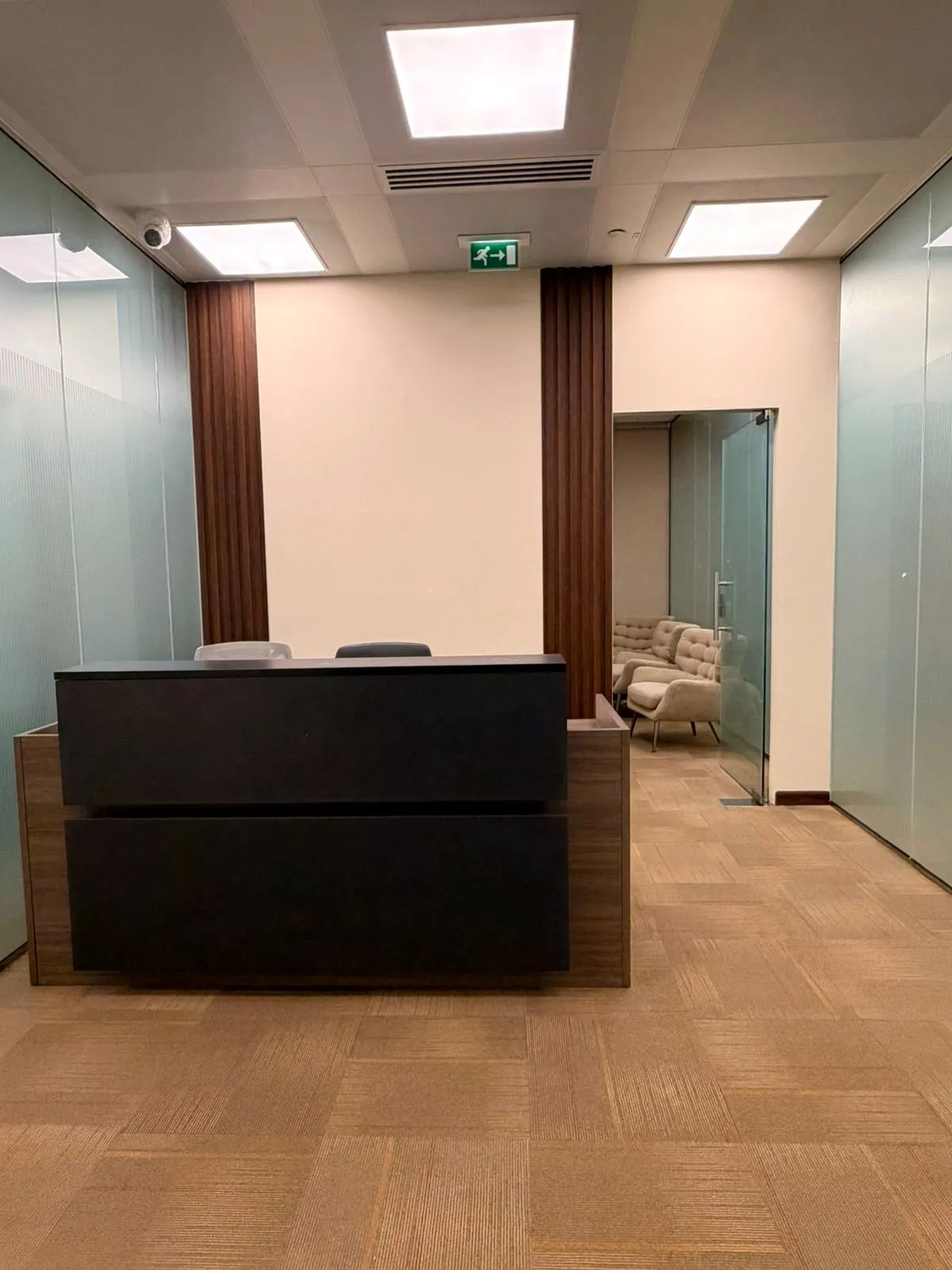
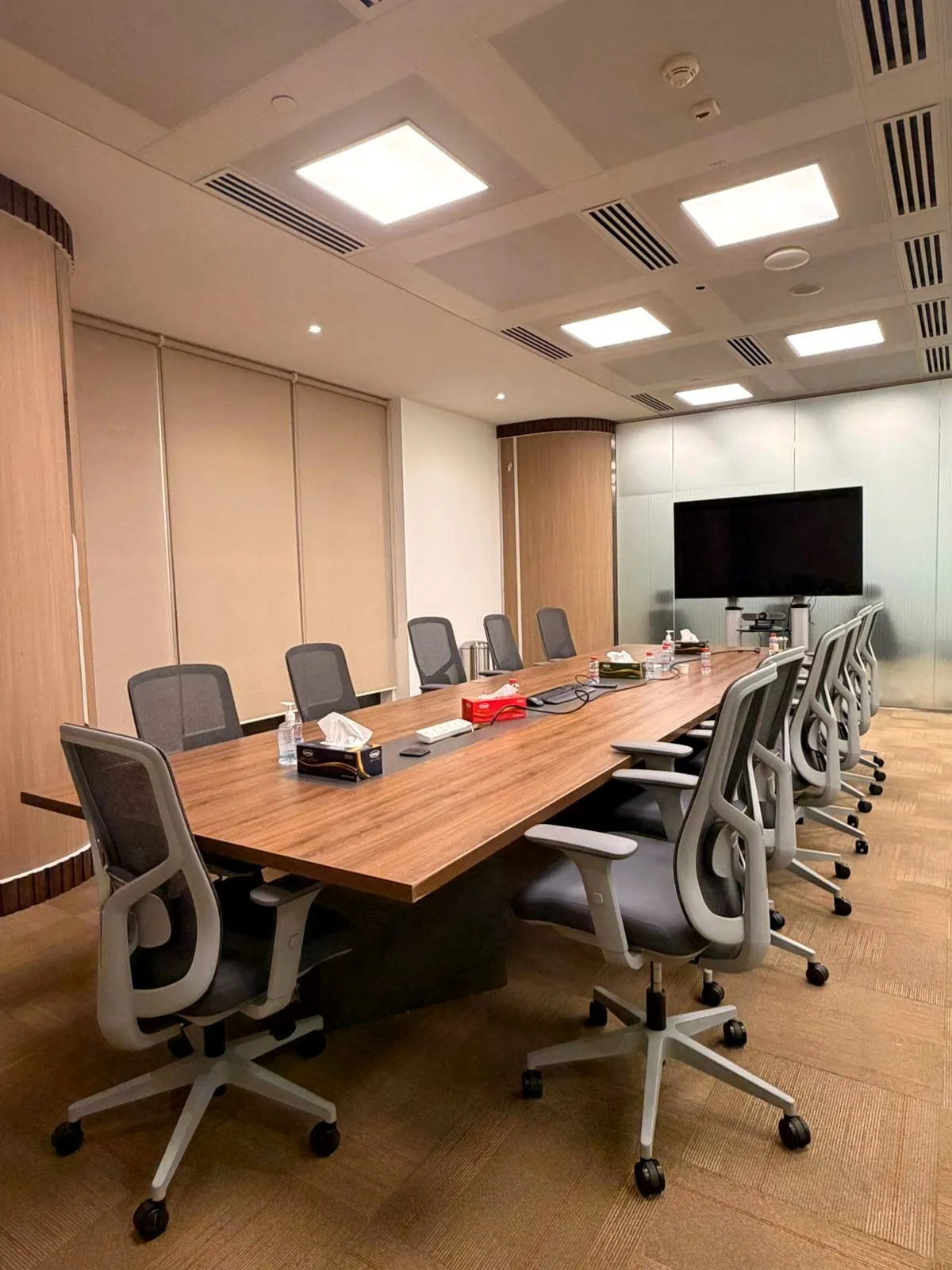
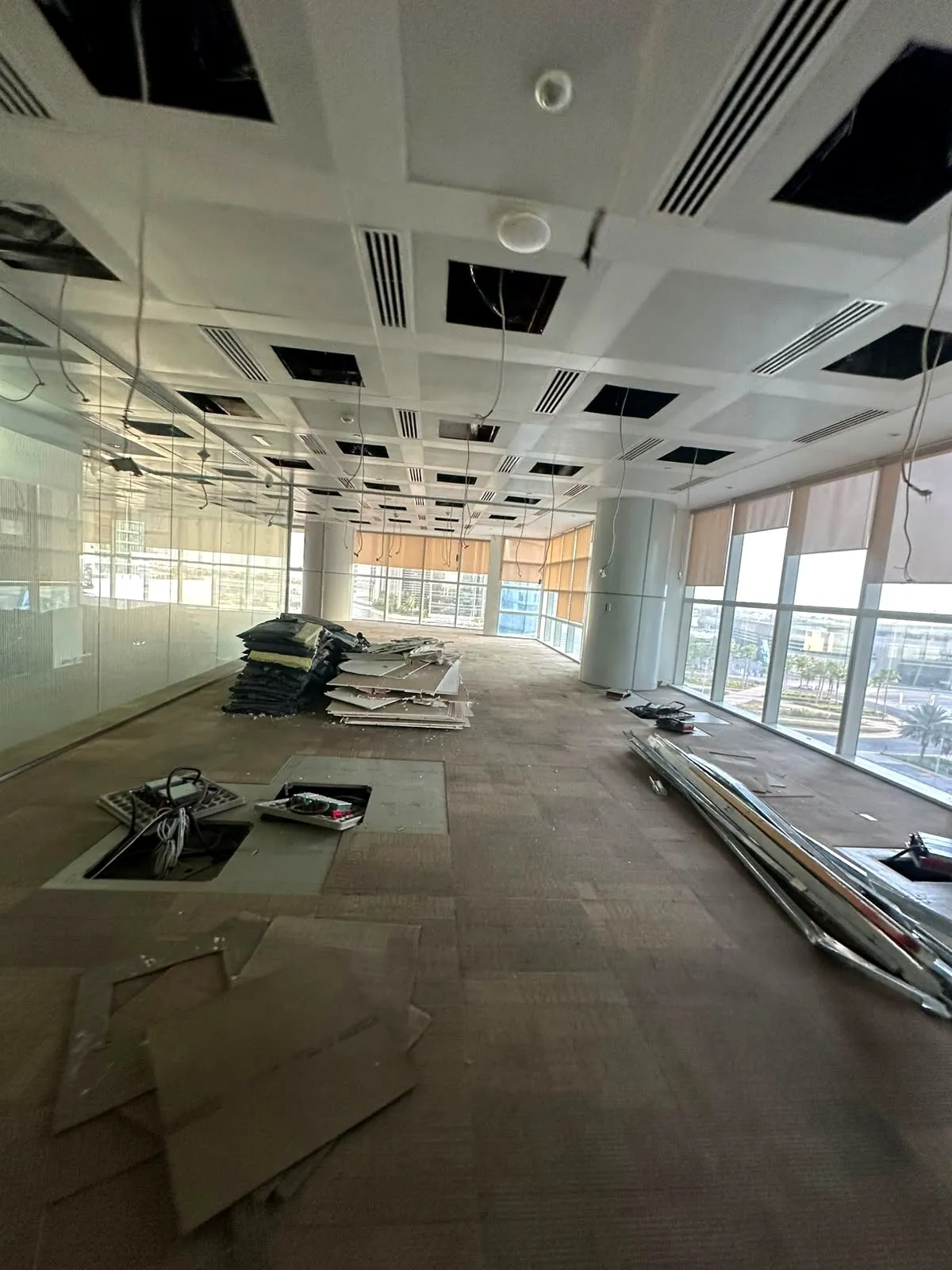
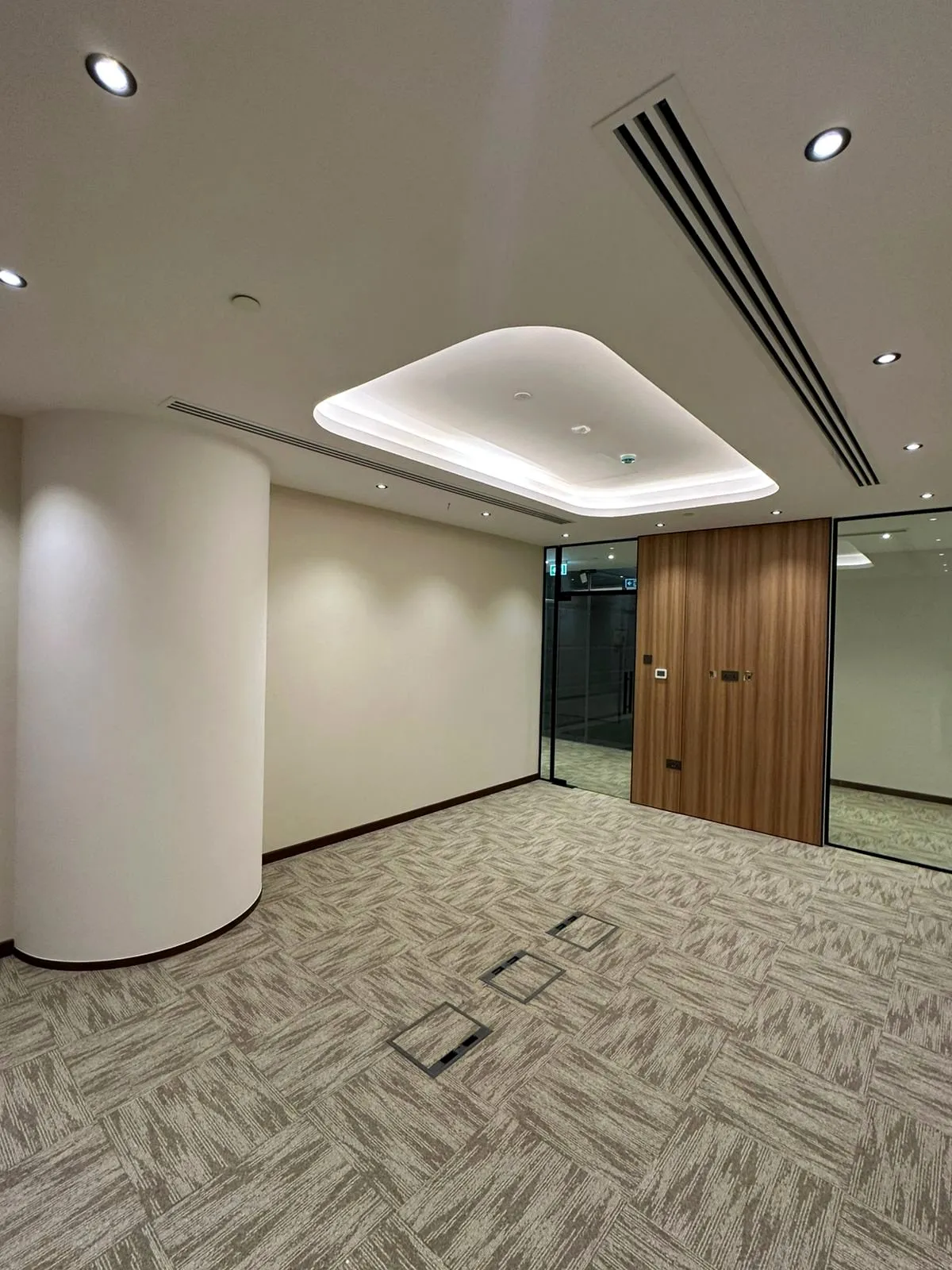
- ADNEC Tower, 5th Floor (Abu Dhabi, 2025): Full fit-out incl. demolition, partitions, specialty ceilings, electrical, HVAC, firefighting, automated glass, wall finishes. Live tower: demolition and MEP works inside an operating building.
- ADNEC Tower, 2nd Floor (Abu Dhabi, 2026): Full fit-out: demolition, partitions, specialty ceilings, electrical and HVAC, firefighting, automated glass, furniture and carpet. Occupied tower; consultant and authority approvals on the critical path.
To start, send us your enquiry: upload the drawings and scope through BuildScope, or request a site visit through our contact page.
General guidance; confirm requirements with the relevant authority or your consultant.