Guide · 5 min read
Abu Dhabi off-plan handover snagging: what owners and contractors must fix before handover
A practical guide to Abu Dhabi off-plan handover snagging: the checks to make before accepting a unit, who fixes defects after handover, and the documentation a contractor should hand over.
By the Beavcon engineering team Published Updated Reviewed by the QA / QC & HSE ISO 9001, 14001 and 45001 inspection regime
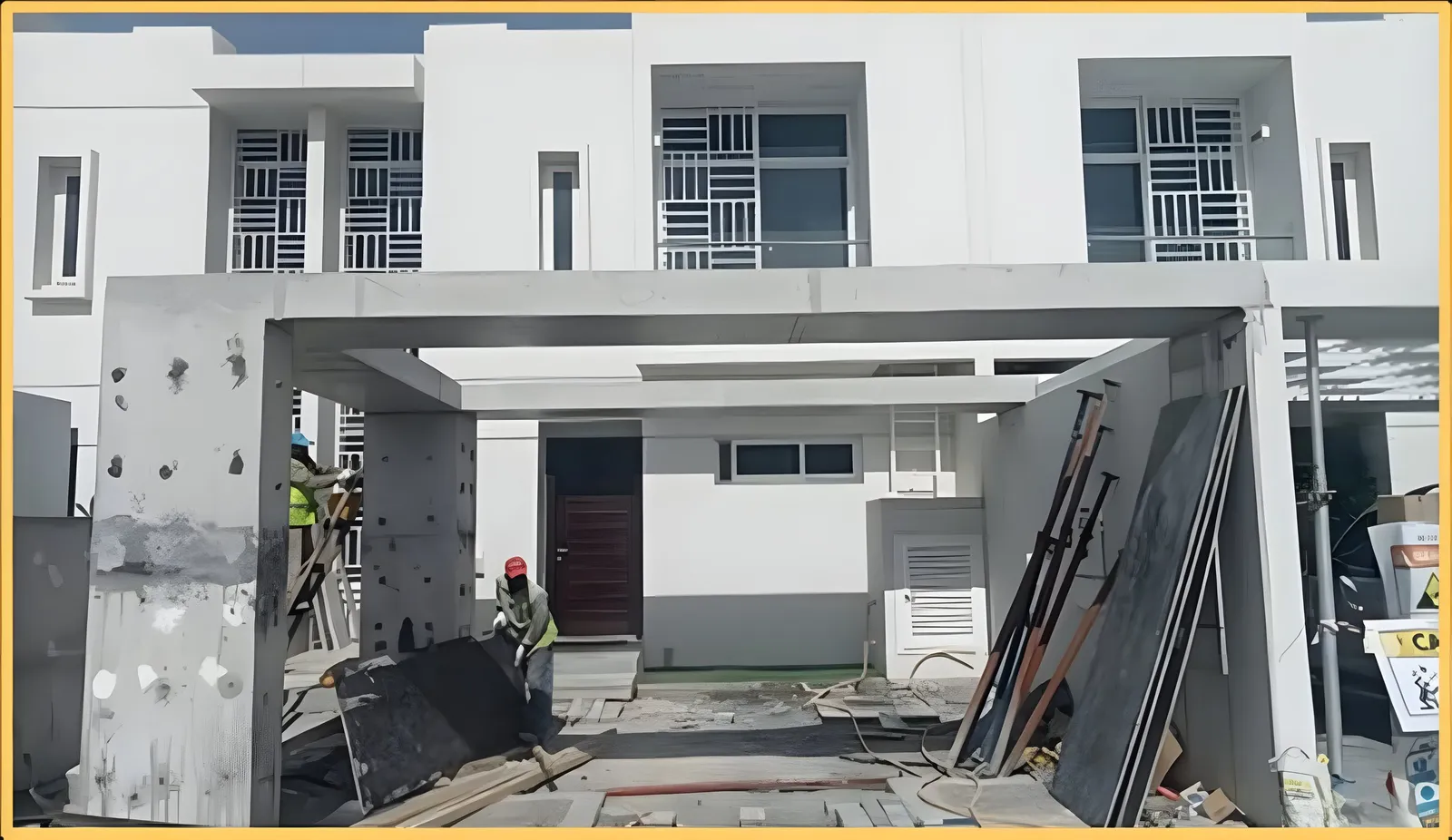
Abu Dhabi off-plan handover snagging is the final quality gate between a developer’s completion notice and your acceptance of the unit. The practical rule is simple: do not accept the property on a verbal promise. Walk the unit with a written snag list, photograph every defect, and agree in writing who fixes each item and by when. The National reported that Abu Dhabi’s new off-plan mortgage framework is expected to support the property market by financing at construction phase, which will push more units toward completion and handover. That makes a disciplined snagging process more important, not less.
What should I check before accepting an Abu Dhabi off-plan apartment?
Start with the paperwork, then the apartment itself. Confirm the completion certificate or equivalent handover approval is in place, and check that the unit number, area and finishes match your sale and purchase agreement. If a consultant or owner’s representative is involved, ask them to attend the same inspection.
Inside the unit, work through the finishes systematically:
- Doors and windows: open, close, lock and check seals, handles and glazing for scratches or cracks.
- Walls and ceilings: look for cracks, uneven paint, water stains, hollow-sounding plaster and poor jointing.
- Flooring: check tiles, marble, timber or vinyl for chips, lippage, hollow spots, movement and grout defects.
- Kitchen and bathrooms: run every tap, check drainage, inspect silicone joints, and look for leaks under sinks and around wet areas.
- MEP: test all switches, sockets, lights, fan coils, thermostats, extract fans and water heaters.
- Balconies and external areas: check drainage outlets, waterproofing, railings and any façade or glazing defects visible from inside.
Photograph every item, mark it on a plan, and give the developer or contractor a single consolidated list. A list that is vague or verbal will not survive the handover meeting.
Who fixes snags after handover in Abu Dhabi?
Responsibility depends on the contract, the defect liability period and the nature of the item. In most off-plan sales, the developer remains responsible for defects notified during the agreed defect liability period, which commonly runs for 12 months from handover. The developer then instructs the main contractor or specialist subcontractor to return and rectify the items.
Some items sit outside the developer’s liability. Damage caused by the owner, changes made after handover, or wear and tear are not snags. If you have already carried out your own fit-out or refurbishment, your contractor is responsible for the defects in that work, not the developer.
The practical step is to submit snags in writing through the developer’s portal or handover team, keep the acknowledgement, and follow up with a single point of contact. If an item is a life-safety or water-ingress issue, mark it urgent and ask for a written date for access and rectification.
How long does a handover snagging fix take in Abu Dhabi?
There is no single fixed duration. The time depends on the number of snags, the severity, the availability of materials and whether the developer can get access to the unit. Cosmetic items such as paint touch-ups or a sticking door may be resolved within days once access is arranged. Structural, waterproofing or MEP defects can take longer because they may require investigation, opening up, testing and reinstatement.
Treat any date you are given as a programme commitment, not a guarantee. Ask the developer or contractor to confirm in writing which items are priority, when they will access the unit, and when they will close each item. If you are managing the rectification yourself, allow realistic lead times for specialist trades and materials.
What documentation should a contractor hand over after refurbishment?
If you have refurbished or fitted out the unit before or after handover, the close-out file matters as much as the visible finish. A contractor should hand over:
- As-built drawings or marked-up drawings showing what was actually installed.
- Material data sheets, warranties and care instructions for finishes and equipment.
- Test certificates and inspection records for MEP, waterproofing and fire-related works.
- Authority approvals or completion documents where the scope required them.
- A signed snag closure list showing every item raised and its final status.
- O&M information for installed equipment, including filters, controls and maintenance intervals.
- Contact details for the defect liability period and the agreed response procedure.
This file is the evidence you need if a defect appears later. Without it, you are relying on memory and goodwill.
How Beavcon handles this
We treat handover as a documented stage, not a conversation. For refurbishment and completion packages, we prepare a snag list with the client, close each item against the agreed scope, and hand over a file that includes drawings, test records, warranties and the snag closure register. On the Khalifa University project, an operating campus with its own facility and safety requirements, the works closed out with as-built information, inspection and test records and a snag register closed to zero. The same discipline applies to off-plan units and private villas: the client should be able to see what was installed, what was tested, and what remains open.
If you are preparing for an Abu Dhabi off-plan handover or need a contractor to close refurbishment snags before you accept a unit, send the unit details and your snag list through BuildScope or request a site visit. For multi-trade completion work, see our building refurbishment service and our guide to documented close-out for occupied-building fit-out in Dubai.
General guidance; confirm requirements with the relevant authority or your consultant.